
Setting Up for Succession Planning Success
Chris Buttenham explains how business owners should prepare for a shift in leadership
Transitions can be messy. Change is hard enough on a personal level, and the idea of company change may feel overwhelming. The National Center for Construction Education and Research reports that 49% of the industry’s workforce will retire by 2035, so many construction businesses will be facing leadership transitions in the near future. Construction Business Owner spoke with Chris Buttenham, CEO and co-founder of Reins, about how contractors can retain a strong workforce while preparing for change.
Tell me about your background.
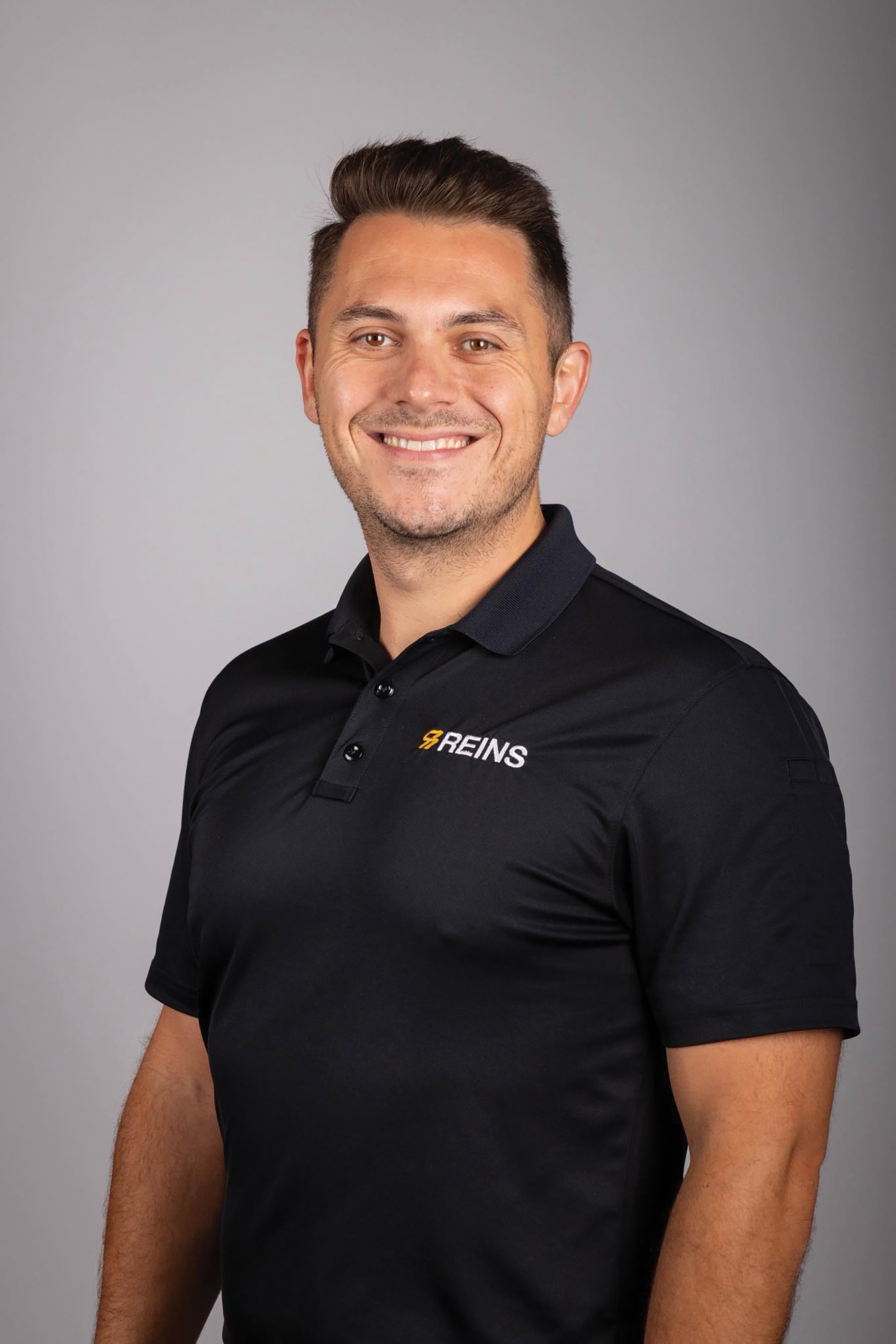
I’m the co-founder and CEO of Reins, where we help independent business owners reward and retain their key employees using modern incentive tools like phantom stock and profit sharing — what we call alternative equity. I grew up in the trades, watching firsthand how hard owners work to build something meaningful, and how difficult it can be to keep great people aligned for the long term. After building and exiting a previous software company, I started Reins to give millions of independent businesses the same tools that were traditionally reserved for private equity or venture-backed companies.
In your experience, where do companies struggle when going through transitions?
Most companies don’t struggle with the idea of transition — they struggle with preparation. Whether it’s leadership change, succession or growth into the next stage, the common issue is a lack of alignment with the people who actually run the business day to day. Owners often carry too much themselves for too long, and by the time they’re ready to step back, there isn’t a clear leadership bench or shared incentive structure in place. Transitions go smoothly when key people are prepared early, trusted with responsibility and financially aligned with the outcome.
What is the No. 1 thing an owner should prioritize when they’re planning to retire?
For retirement, the No. 1 priority should be building a leadership team that can operate the company without them. Not manage it with oversight — run it. That means clear decision rights, financial literacy, operational accountability and aligned incentives. If the business still revolves around the owner, it has too much key-man risk.
What if they’re planning to sell the business?
If they’re planning to sell, the priority shifts slightly to making the business transferable. Buyers pay for durability and predictability. They want to see a second layer of leadership, recurring revenue, clean financials and key employees who are motivated to stay through the transition. The more the business feels independent from the founder, the more valuable it becomes.
How can owners ensure their top people are prepared for a leadership transition?
It starts earlier than most owners think. Leadership development is not a last-year project: It is a multiyear process.
- First, give emerging leaders real responsibility, not just titles. Let them own outcomes.
- Second, ensure they are exposed to the financial side of the business including key metrics like gross profit, the bottom line and context as to the current state of these.
- Third, align incentives so they think like owners, not just managers. When top performers understand how decisions impact the long-term value of the company, and when they benefit from that value, they step into leadership differently. Preparation is not just training. It is building an ownership mindset combined with accountability over time.
Where do you see construction leaders fail in their businesses, and how can they address that?
It’s rarely a technical failure and almost always a people and leadership issue. Many construction and home-service businesses grow successfully on the back of a strong founder, but they don’t build systems that outlast that individual. Without clear career paths, incentives and leadership development, great employees eventually leave or disengage. The solution isn’t complicated, but it does require intention: Develop leaders early, share success in a meaningful way and create visibility into how employees benefit when the company grows.
Tell us about Reins’ MARE framework. How does that apply to businesses?
MARE stands for the modern agreement for rewards and equity. It’s a simple, flexible framework that allows owners to grant ownership-style incentives — like phantom stock or structured profit sharing — without giving up actual equity or control. The goal is alignment. When employees can clearly see how their performance connects to long-term financial reward, retention improves, leadership strengthens and succession becomes far more achievable. In practice, MARE turns compensation from a short-term expense into a long-term growth strategy.
Is there anything else owners should know?
Independent businesses are the backbone of the economy, and the next decade will bring one of the largest ownership transitions we’ve ever seen. The companies that succeed won’t just be the ones with the best equipment or marketing: They’ll be the ones that build real alignment with their people. Owners who start preparing early, develop leaders intentionally and share success thoughtfully will create stronger businesses, smoother transition and lasting legacies.
OUR DIGITAL PARTNERS