Underlining the Importance of Gas Detector Maintenance
Invisible threats, real consequences
Without regular maintenance, gas detectors may fail to alert workers to dangerous conditions, putting lives and projects at risk. In this article, discover the essential elements of maintaining your gas monitoring solutions, including bump testing, calibration and proper storage, to help ensure your team operates in safe working environments.
Understanding Hidden Hazards in Construction Sites
Modern construction sites are dynamic environments where crews must be mindful of overhead loads, unstable trenches and moving machinery. Often, however, the most dangerous threats are the ones they can’t see. Equipment exhaust, chemical reactions and processes that generate hazardous gases, including carbon monoxide, hydrogen sulfide and methane. In enclosed or low-ventilation areas, inaccurate readings from a gas detector can spell the difference between an otherwise routine task and a potentially fatal workplace incident.
Gas detectors are a critical line of defense in environments where confined spaces, fuel-burning equipment or decomposing organic materials are inextricable from everyday life. But having the appropriate monitoring solution isn’t enough. Even the most advanced devices can provide a false sense of security without proper maintenance. That’s when compliance failures, injuries or even fatalities can occur.
Best Practices: How to Properly Maintain & Store Gas Detectors
According to the Occupational Safety and Health Administration (OSHA), employers are responsible for ensuring that gas detectors used to evaluate atmospheric hazards are calibrated and maintained according to the manufacturer’s instructions.
Here are some best practices to integrate into your gas detection maintenance plan:
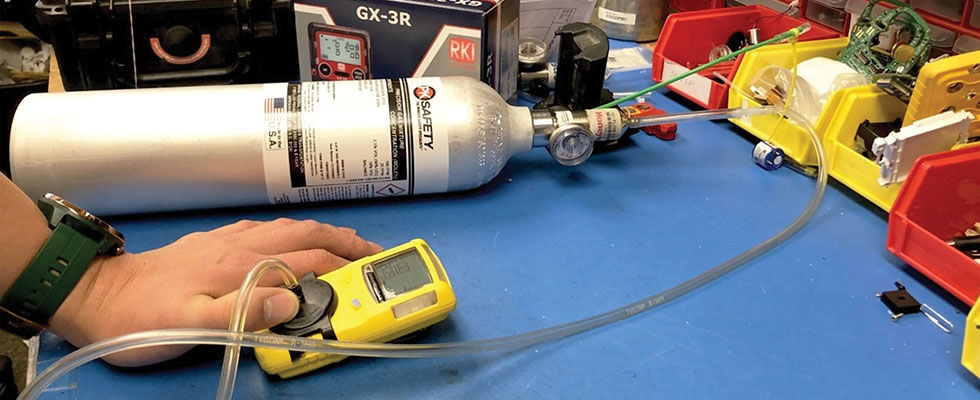
- Daily bump tests — A bump test verifies that gas sensors and alarms are working as intended by exposing the unit to a known concentration of gas. It only takes a few seconds, but it confirms the detector can identify and alert for hazardous conditions. If a detector fails a bump test, it must be recalibrated before returning to service. My company recommends performing bump tests before each use, especially in high-risk environments or after prolonged storage.
- Scheduled calibration — Calibration aligns the detector’s sensors with a known gas concentration to ensure accuracy. Recommendations on how often to calibrate may vary among manufacturers. As a best practice, my company recommends calibrating your gas detectors at least once every three months. In harsh conditions or high-use environments, more frequent calibration may be necessary. Without regular calibration, sensor drift can lead to dangerously inaccurate readings and a false sense of security. Consistent calibration and maintenance is key. If you have several units, consider an auto-calibration docking station to help schedule and manage testing and recordkeeping of your gas monitors.
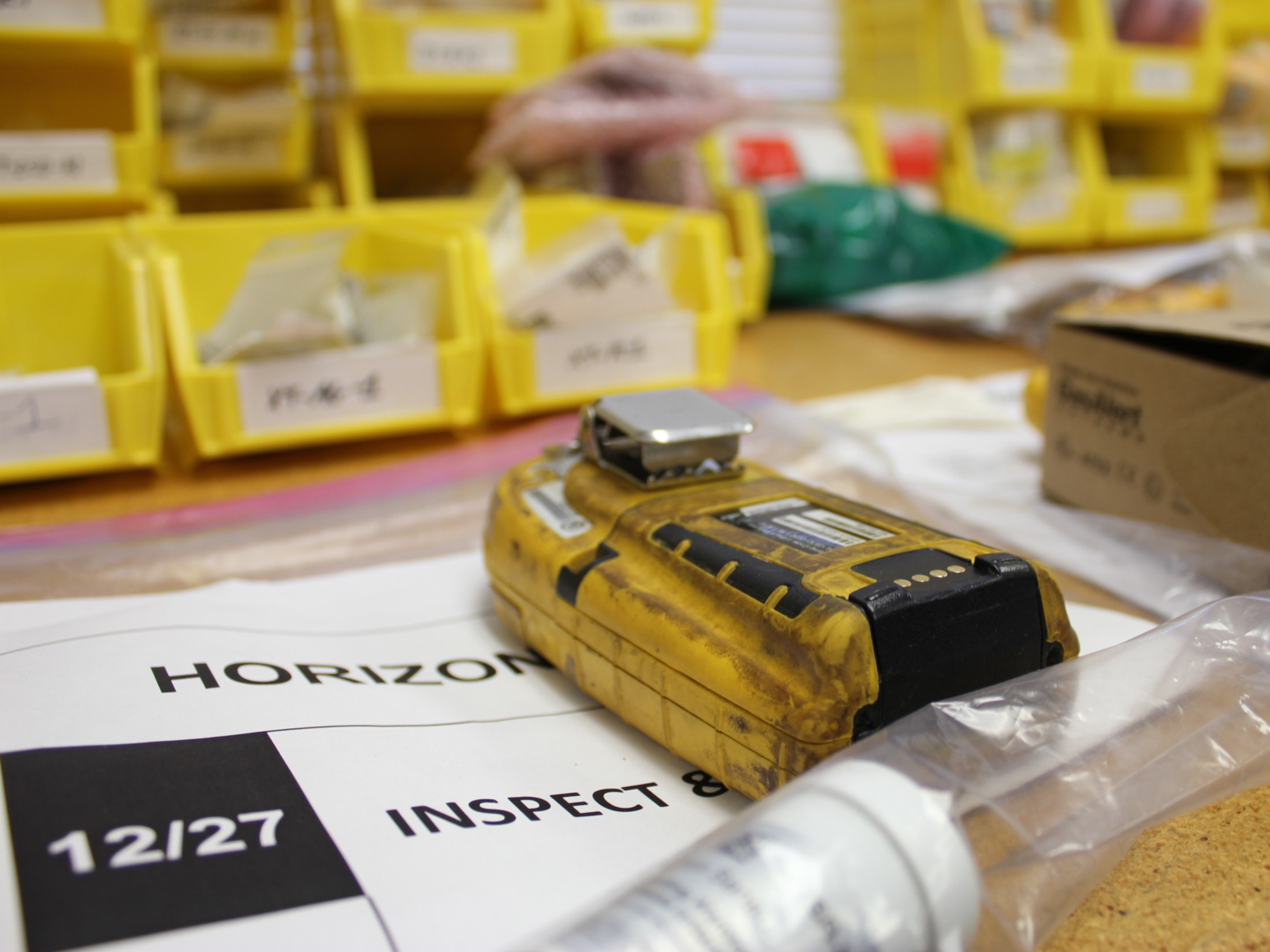
- Proper storage — Exposure to extreme heat, high humidity, freezing temperatures or airborne particulates can degrade sensors and reduce battery life. To prevent premature failure, gas detectors should be stored in a clean, temperature-controlled environment, away from contaminants (particularly solvents and silicones), which can poison electrochemical and catalytic sensors.
- Firmware updates — Many manufacturers release periodic updates to account for evolving standards or environmental conditions. These firmware updates provide performance enhancements, fix bugs and address known vulnerabilities that could affect sensor accuracy, alarm thresholds or device connectivity. Always ensure your gas detectors are running the latest firmware, and document update history as part of your maintenance log to support compliance and traceability.
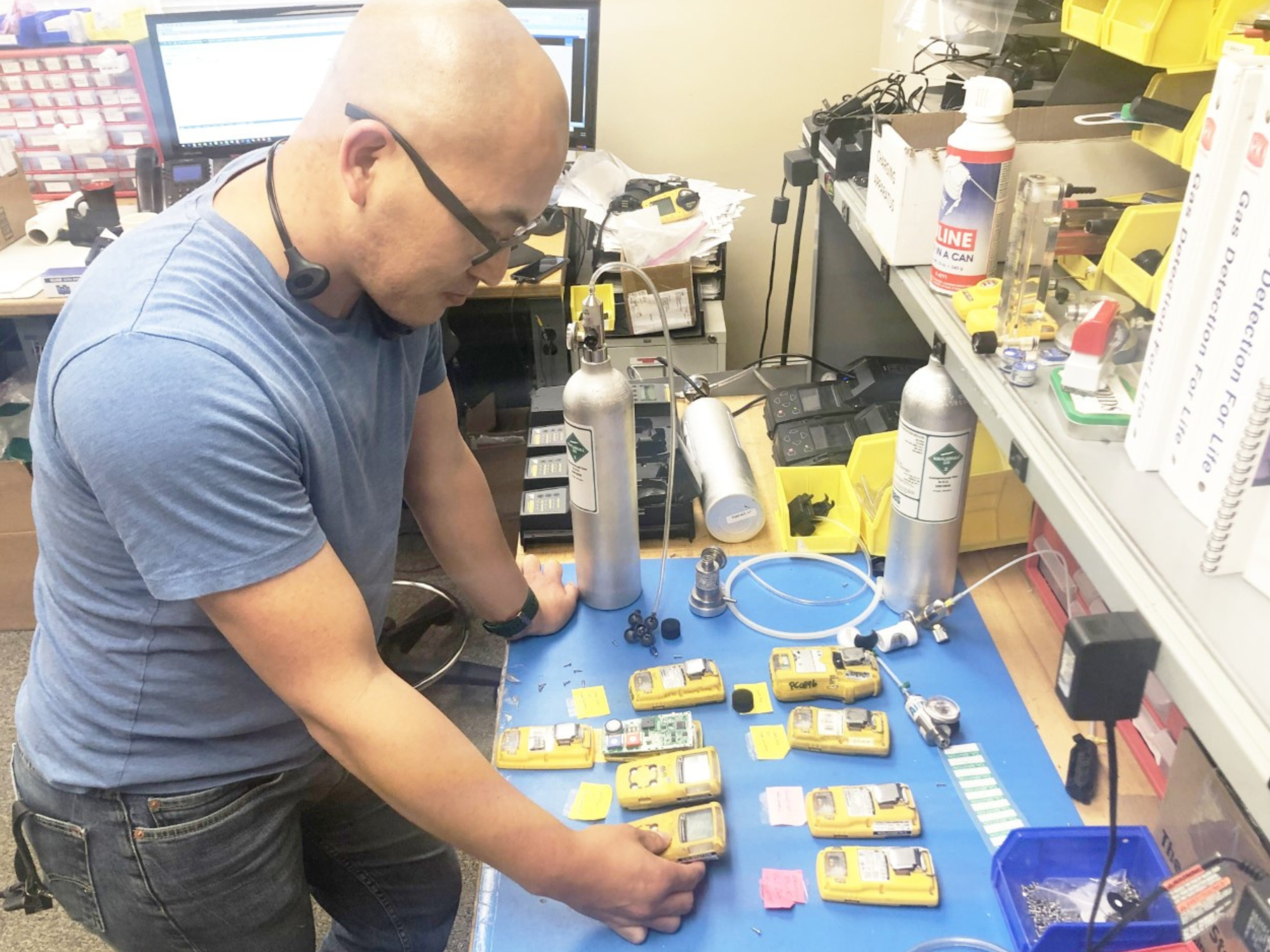
Gas detector sensors have a finite lifespan, typically ranging from 12 to 36 months, depending on the sensor type, usage frequency and environmental exposure. Over time, their sensitivity diminishes (even with regular calibration), eventually compromising the accuracy of readings.
When to Replace Gas Detector Sensors
Not sure if your sensor is still reliable? Here are telltale signs it may be approaching end-of-life:
- Sluggish response time — If your device takes longer than usual to respond to test gas or atmospheric changes, the sensor may be losing sensitivity.
- Frequent calibration failures — Repeated calibration failures or the need for increasingly frequent adjustments may indicate that the sensor is nearing the end of its service life, losing sensitivity or affected by contamination.
- Unstable or erratic readings — Fluctuating readings, especially in clean air or known environments, often indicate sensor drift or degradation. When sensors can’t hold a steady baseline, reliability (and safety) quickly erodes.
Follow the manufacturer’s recommended replacement intervals, and monitor performance metrics to prevent false readings or untimely failure. If a sensor produces erratic data or fails to respond during a bump test, it should be replaced immediately.
When Detection Fails: The Cost of Neglecting Maintenance
If gas detector sensors drift (a gradual shift in sensor accuracy caused by exposure to harsh conditions or normal wear), alarms fail to trigger (often due to sensor degradation, software errors or power issues) or readings become unreliable (from calibration loss, contamination or depleted sensors), construction crews can be exposed to toxic or explosive atmospheres without warning. Unfortunately, these types of equipment failures only become apparent after an incident has already occurred.
In 2022, an Arkansas worker entered a sewer manhole to conduct testing 20 feet below ground. After losing consciousness due to oxygen deficiency, a second employee attempted a rescue, only to lose consciousness as well. The OSHA investigation found the contractor had failed to conduct the required atmospheric testing before entry, resulting in the deaths of both employees. OSHA cited the company for multiple violations and proposed a $287,150 fine.
While this unfortunate incident isn’t directly tied to improper gas detector maintenance, it underscores how untested atmospheres can quickly result in multiple fatalities. The fallout from neglected maintenance is far-reaching: It endangers lives, invites OSHA enforcement, triggers project delays and can severely damage a contractor’s reputation.
The good news? These risks are entirely preventable with a disciplined maintenance routine.
Building a Culture of Proactive Maintenance
Gas detector maintenance isn’t just a compliance checkbox — it’s a daily commitment to worker safety. Leading construction firms don’t wait for OSHA inspections or after-the-fact investigations to take action; they make maintenance a core part of their safety culture, reinforcing it through shared accountability and consistent routines.
Fortunately, it doesn’t take sweeping changes to get there. With a few simple practices, you can foster a culture where proactive maintenance becomes second nature:
- Assign a designated safety lead or crew member to manage bump tests and calibration schedules.
- Incorporate maintenance checks into daily toolbox talks or pre-task planning sessions.
- Keep documentation clear, centralized and accessible to ensure accountability.
- Regularly review manufacturer guidelines and update internal protocols as equipment or standards evolve.
If you’re unsure whether your current gas detection program suffices, consult a trusted safety specialist. These experts can help evaluate your gas detection strategy, recommend improvements and ensure your team is equipped with solutions and practices that support compliance, reduce risk and save lives.
OUR DIGITAL PARTNERS