





If you went to the doctor for a physical exam, you probably wouldn’t be too happy if they only checked for visible external issues, right? You’d want them to do blood work because the fluids running through your body hold the most useful information about your health, revealing early signs of illness long before you notice symptoms.
The same logic applies to your equipment.
For decades, fleet managers have relied on physical inspections and reactive maintenance to keep big iron moving. But in an industry where downtime costs can quickly add up to thousands of dollars per hour, waiting for a symptom — a noise, a leak or a loss of power — is waiting too long.
To truly manage a modern fleet, we have to stop looking at machines solely from the outside and start analyzing the lifeblood flowing on the inside. That’s why a comprehensive fluid analysis program isn’t just a “nice to have”: It’s a critical business strategy.
Dirty Fluids Drain Your Repair Budgets
It’s easy to underestimate the impact of fluids on heavy equipment. We often view oil, fuel and coolant as consumables — commodities to be topped off and left to do their job. However, the data tells a different story.
Industry estimates suggest that up to 75% of repair costs and equipment downtime are traceable to the use of contaminated lubricants and fuels, which includes between 65% and 75% of bearing failures.
These numbers are staggering because they’re largely preventable. A machine doesn’t usually fail overnight. It fails
after hundreds of hours of microscopic wear slowly grinding away components. By the time a bearing seizes or an injector fails, the damage has been accumulating for months. A proactive fluid analysis program is the only way to see that damage coming.
What Is Comprehensive Fluid Analysis?
Many fleet managers are familiar with basic oil sampling, but a comprehensive program goes a lot further. It’s not just about checking the engine oil level. It’s about analyzing the chemical composition of every critical fluid in your machine, including diesel fuels, lubricants, coolants and even diesel exhaust fluid.
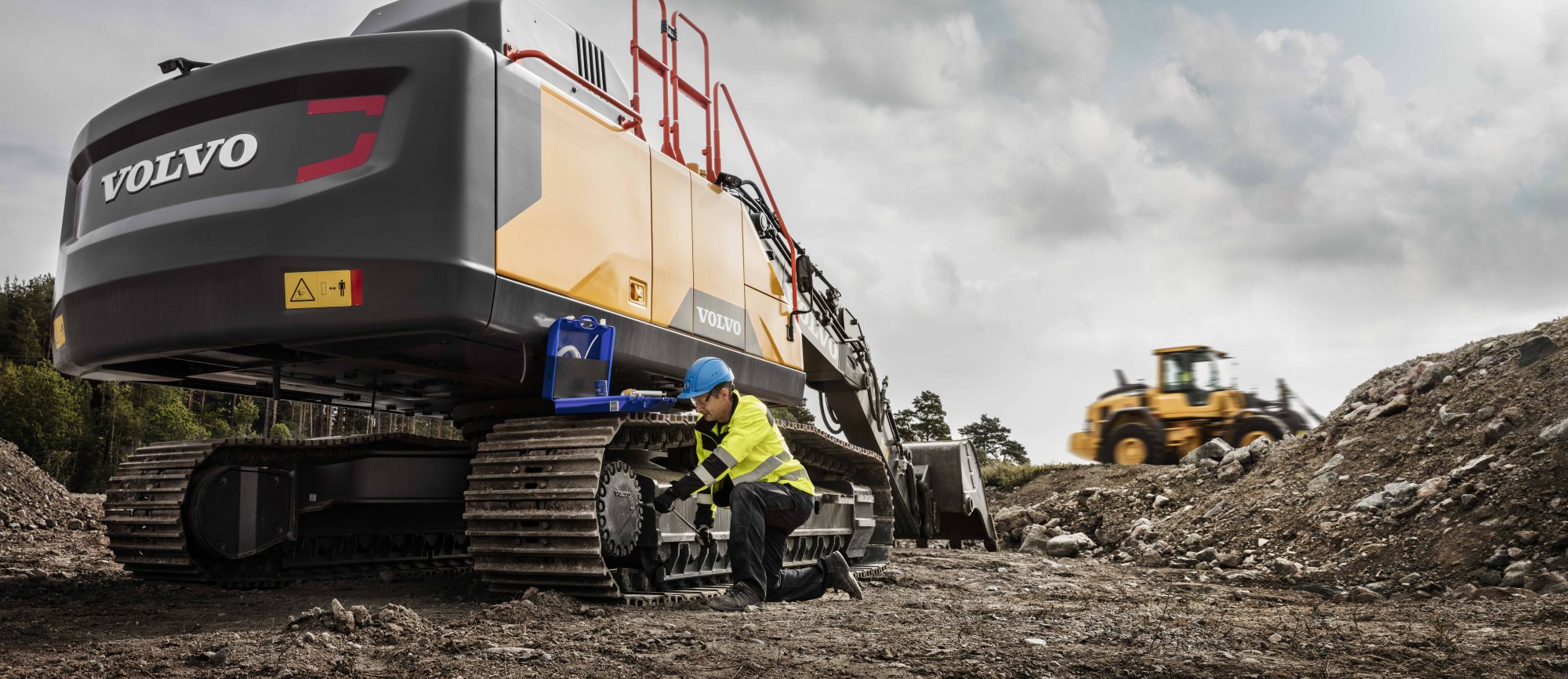
The process typically involves a service tech using a specialized kit to draw several samples during routine maintenance. The frequency of this sampling is often dictated by the machine’s age in hours. For example, a machine with over 1,000 hours might require five or six different samples to ensure that every system is functioning correctly.
Once the sample is taken, speed is of the essence — you don’t want to keep running machines if their fluids are compromised, but you also can’t afford to keep them sidelined. Look for an original equipment manufacturer (OEM) or dealer that can get you results quickly.
Modern Technology Delivers Speed & Precision
As more OEMs and technicians offer these types of programs, the industry is benefiting from significant growth in the volume of data that can connect the dots between a lab result and the appropriate action to take.
To make sense of the data quickly, programs are beginning to leverage advanced data processing and artificial intelligence (AI). While the term “AI” may conjure images of complex robotics, its role in the world of fluid analysis is refreshingly practical: speed and consistency. Programs that use AI can instantly analyze results against a massive database of wear rates and limits determined by human engineers.
If a sample is normal, the technology can verify it and upload a report to a portal or mobile app immediately. This gives fleet managers the green light without having to wait for a human to review a healthy sample. However, if the results are abnormal, the system flags them for a human analyst to review.
This hybrid approach — technology handling the routine results, experts handling the critical results — ensures that recommendations are both fast and accurate. It allows the lab technicians to focus on the problems that require a deeper dive, ensuring that when you get a critical alert, the information is based on expert insight.
Shift From Reactive to Predictive Maintenance
The ultimate goal of comprehensive fluid analysis is to shift your fleet management style from reactive to predictive.
A single oil sample gives you a snapshot of a machine’s health, but a history of samples builds a trend line. This trend analysis is where the real value lies. By tracking levels of wear metals over time, you can better predict the remaining life of a component.
For instance, a sudden spike in silicon might indicate that a failed air filter is letting dust into the engine. Catching that issue early might require a simple oil and filter change, but catching it late could cost you a full engine rebuild.
This proactive approach ultimately reduces your total cost of ownership (TCO). By identifying contamination and wear early, you prevent the catastrophic failures that lead to unplanned downtime. In fact, routine fluid analysis has been proven to reduce downtime by as much as 15%.
Fluid Analysis Works for Any Brand
A common misconception is that you need a different program for every brand of equipment you own, but most modern fluid analysis programs are manufacturer-agnostic. The science of wear metals and viscosity applies to all equipment, meaning you can often use a single program to monitor your entire mixed fleet.
This consistency is key. Using the same methodology and the same testing standards across all your assets ensures that your data is truly comparable and reliable. It provides a better knowledge base of how your components are behaving in your specific applications.
Turn Insights Into Action
Implementing a fluid analysis program doesn’t have to be an administrative burden. Today’s cloud-based portals and mobile apps make it easy to register samples from the field and receive notifications the moment a report is ready.
To get the most out of these programs, here are some best practices to consider:
- Use the proper products — Premium lubricants may cost a bit more up-front, but over time their benefits can actually lower your operating expenses. Follow the OEM’s recommendations on what fluids to use.
- Be consistent — Sampling sporadically yields sporadic results. Stick to the recommended intervals based on machine hours.
- Sample everything — Don’t ignore coolants or fuel. Today’s engines require clean fuel to maintain peak performance.
- Act on the data — A report is only useful if it leads to action. Use the recommendations to schedule preventive repairs during planned downtime rather than waiting for a breakdown.
As everyone in this industry knows, if your equipment isn’t running, you aren’t getting paid. That’s exactly why proactive, comprehensive fluid analysis is a smart, affordable way to maximize your uptime.
By treating your equipment’s fluids with the same care as a medical diagnosis, your fleet will remain healthy, productive and profitable for the long haul. It’s a simple step that yields massive returns — protecting both your machines and your bottom line.