Why Sustainable Construction Materials Are a Smart Strategy
What business leaders have been missing
For many construction leaders, sustainability still sounds like a compliance conversation. It’s associated with regulations, certifications, added documentation and, most of all, added cost. But that framing is outdated. In today’s market, material selection is less about environmental virtue and more about long-term performance, risk management and operational efficiency.
That means contractors who continue to treat sustainable materials as an optional upgrade may be overlooking a strategic advantage.
Reframing Sustainability for Construction Leaders
One of the most persistent misconceptions in the industry is that sustainable materials automatically mean higher up-front costs. When priced against traditional alternatives, some products may appear more expensive at the point of purchase. But that’s often where the analysis stops. Unfortunately, that means you’re ignoring the life cycle value.
A material that costs slightly more up-front but lasts three times as long, requires less maintenance and reduces operating costs isn’t a premium product — it’s a better investment. Yet many contractors still evaluate materials primarily on bid competitiveness rather than long-term performance.
Another misconception is that “green” equals niche. In reality, many sustainable materials today outperform conventional options in terms of durability, resilience and efficiency. The conversation has shifted from sacrifice to superiority.
The building industry also faces increasing scrutiny for its environmental impact. Construction remains a significant contributor to global greenhouse gas emissions. While environmental stewardship may not be every contractor’s primary motivator, market forces are pushing the industry in that direction. Clients are asking questions. Regulations in states such as California, New Jersey and New York are accelerating product innovation. Manufacturers are responding accordingly.
The result: Sustainable materials are becoming mainstream — and strategic.
Why Material Decisions Matter More in Today’s Market
The past several years have exposed the fragility of global supply chains. Contractors who relied heavily on the lowest-cost international suppliers felt the pain first during COVID-related disruptions and now with tariff volatility.
In response, many firms began prioritizing materials sourced closer to project sites. That shift wasn’t only about logistics; it was about reducing exposure to geopolitical risk, transportation delays and cost swings. As a benefit, regional sourcing often reduces environmental impact.
This broader evaluation reflects a maturing approach to procurement. Today’s material decisions must account for the following:
- Life cycle cost
- Maintenance burden
- Energy performance
- Insurance implications
- Regulatory exposure
- Supply chain reliability
- Long-term client value
Up-front price is still important, but now it’s no longer the only metric that matters.
How Sustainable Materials Improve the Bottom Line
Consider the example of composite decking made from recycled materials. It may cost more than traditional wood, but it can last 30-plus years instead of 12 to 15. Over a multi-decade horizon, that translates into fewer replacements, less labor, reduced material waste and lower maintenance expenses.
The same principle applies to high-efficiency HVAC systems paired with tighter building envelopes. Improved air sealing, better insulation and smarter system design dramatically reduce energy demand. Over a 15- to 20-year period, savings on utility costs can far exceed the initial premium.
For developers who build to hold properties, the math is even clearer. Reducing operating costs directly improves net operating income. With rising energy prices, investments that deliver double-digit percentage returns over a five- to 12-year payback period can outperform many traditional real estate yields.
In that context, sustainability isn’t an environmental initiative: It’s a capital allocation strategy.
Sustainability as Risk Management
Material selection also plays an increasingly important role in risk mitigation. Resilient design choices, such as elevating structures in flood-prone areas to comply with Federal Emergency Management Agency (FEMA) standards, can significantly reduce long-term exposure to weather-related losses. Improved envelopes not only lower energy consumption but may also limit fire spread by reducing oxygen infiltration.
Insurance carriers are paying closer attention to building performance and resilience. As climate-related events increase, contractors who understand how materials affect insurability and loss prevention will be better positioned to advise clients.
Viewed through this lens, sustainable materials are not just about carbon footprint: They are about protecting assets.
Where Builders See the Fastest ROI
Contractors interested in integrating sustainability without overhauling their entire process can start with categories that deliver measurable returns.
- Building envelope — Air sealing, improved sheathing and higher-performance insulation often deliver immediate gains. A tighter building reduces electric and gas consumption for the life of the structure.
- Mechanical systems — High-efficiency HVAC equipment continues to improve in performance while drawing less energy. When paired with smart controls, the payback can be compelling.
- Smart technologies — Devices such as smart thermostats and automatic water shut-off systems can pay for themselves quickly while reducing risk exposure.
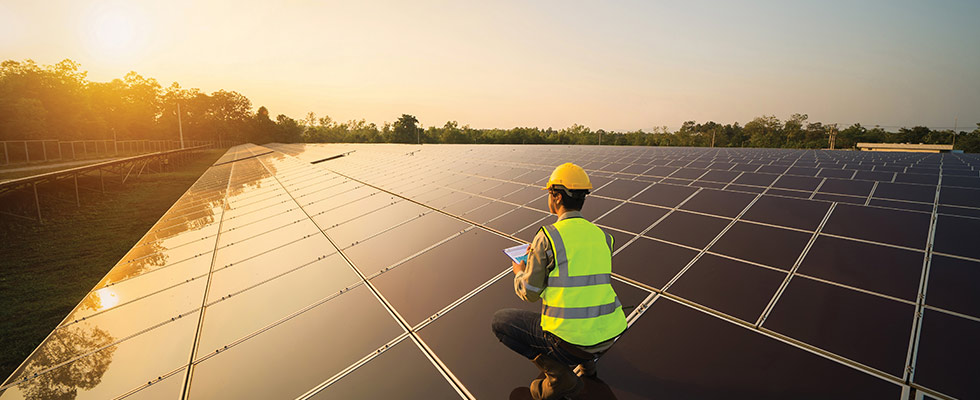
- Solar integration — In many markets, solar installations now carry payback periods under 10 years, particularly when incentives are available.
The key is not to attempt a complete operational transformation overnight. It is to identify areas where performance gains and cost savings align.
Misconceptions That Cost Builders Money
I’ve found several persistent assumptions continue to hold contractors back:
- “Sustainable always means expensive.” Life cycle analysis frequently proves otherwise. A modest up-front premium can generate decades of savings.
- “Clients won’t pay for it.” In higher-end markets, clients increasingly expect sustainability. Even in older-skewing demographics, where only a portion may proactively ask about green initiatives, they respond positively when educated about performance benefits.
- “Green materials are harder to source.” As regulations and demand increase, manufacturers are scaling production. Many high-performance products are now widely available.
- “It complicates the build process.” In many cases, sustainable alternatives can be installed similarly to traditional materials. The greater challenge is knowledge, not logistics.
However, builders who invest time in understanding product differences are better equipped to communicate value and differentiate themselves.
Client Expectations & Competitive Positioning
Clients research materials before preconstruction meetings. They recognize brand names associated with innovation and efficiency. They ask about battery storage, high-performance glazing and long-term operating costs.
In my experience, luxury markets in particular are embracing the idea that the “best” product is also the most efficient and resilient. Sustainability is increasingly associated with innovation rather than compromise.
For contractors, this means two things: technical literacy matters more than ever, and being proactive beats playing catch-up.
Firms that can clearly articulate why one system outperforms another will build trust and command stronger margins.
Practical Takeaways for Contractors of All Sizes
Independent contractors and smaller general contractors may not have the purchasing power of large national firms, but a competitive advantage does not require scale. It requires a mindset.
Start by evaluating materials based on long-term outlook rather than speed and lowest initial cost. Stay current with technological advances. Test new products selectively. Track performance outcomes.
Even incremental improvements, such as better air-sealing techniques or upgraded insulation, can meaningfully differentiate your work.
How to Start Without Overhauling Everything
Adoption does not require a complete strategic reset. Contractors can begin with manageable steps outlined below.
Step 1: Conduct a life cycle comparison.
Evaluate one commonly used material against a higher-performance alternative.
Step 2: Focus on the exterior envelope.
Improving insulation and air sealing often delivers the strongest energy reduction per dollar invested.
Step 3: Integrate high-efficiency mechanical systems.
Pair better envelopes with smarter HVAC solutions.
Step 4: Educate clients proactively.
Present options with clear return on investment (ROI) projections and maintenance comparisons. Incremental evolution builds internal expertise while reducing risk.
Looking Ahead
Sustainable material selection is likely to become standard business practice rather than a differentiator. As products that are efficient, resilient and environmentally responsible are recognized as “best in class,” client demand will normalize their adoption.
Contractors who act early can shape the conversation. Those who wait may find themselves responding reactively to regulatory mandates and client expectations.
Sustainability, when properly framed, is not about compliance. It is about durability, performance, risk reduction and long-term profitability.
For construction leaders focused on running better businesses, that makes it less of an environmental obligation and more of a strategic imperative.
OUR DIGITAL PARTNERS