What an Apprentice on the 21st Floor Taught Us About the Real Labor Shortage
The importance of putting the right people in the right place
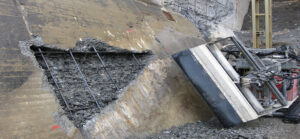
On July 7, construction crews at 235 East 42nd Street in Midtown Manhattan noticed something was wrong. The former Pfizer headquarters is being renovated into approximately 1,500 market-rate condos and apartments spread across 37 floors, but the 21st floor had developed structural complications. Specifically, columns designed to support that floor had started to buckle under its weight, which caused floors to sag. An emergency ensued, with officials calling it an extremely serious situation. The building’s developers immediately began evacuating residents, along with several neighboring condo buildings and a nearby school with approximately 400 students. Fire officials warned that partial collapse of the building, from within, was a possibility for hours afterwards.
Remarkably, no one was injured.
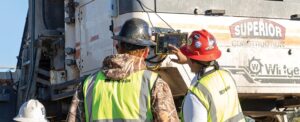
According to CNN’s reporting, an apprentice and shop steward with a local union was the first to notice what was happening. His training let him recognize what sagging floors and failing beam supports meant and to sound the alarm with enough time to evacuate fully.
That single moment says more about the labor shortage than any headline number.
We talk about the skilled trades shortage almost entirely in terms of numbers. Construction alone needs to bring on 439,000 net new workers this year to keep pace with demand, per Associated Builders and Contractors. Numbers like that are so commonly cited they’re basically white noise at this point.
But being fully staffed on a jobsite doesn’t magically fix the skilled labor shortage if everyone on the roster lacks proper training or hasn’t been mentored or vetted by people who know what to look for. The emergency on the 21st floor wasn’t luck. It was the direct result of one trained person knowing exactly what he was looking at and having the standing to act on it immediately.
You can’t know that kind of thing by looking at headcount. You know it because you’ve seen it before, and because you put people in positions where they can do something about it.
Willingness has never been the issue. This shortage isn’t a result of younger generations refusing to do this work. A recent survey actually found that 71% of Generation Z still associate trade school with real social stigma, and yet they’re enrolling anyway, at a rate that’s pushed trade school enrollment up nearly 20% since 2020. The willingness to do this work, and to do it well, is there. What’s harder to find consistently is a reliable way for contractors to know who on an applicant list is truly ready for a major job, and who’s an apprentice who still needs an experienced hand nearby. That gap sits entirely on the employer side of the equation, not the worker side.
AI cannot spot a buckling column. No algorithm replaces the judgment that the apprentice exercised on July 7. But artificial intelligence can help ensure that before your crew even sets foot on a jobsite where one wrong move can mean evacuating dozens of families, you know exactly who on your roster has proven experience with structural steelwork and who is licensed, versus which are apprentices who should still be supervised.
That isn’t a robot taking someone’s place on a jobsite. That’s ensuring the right person with the right training ends up on that jobsite to begin with. Demand for skilled labor is only going to continue increasing, right along with the need to staff jobs faster. The mistake is thinking that both speed and experience can’t happen at the same time.
There is a solution. Filling a position just because you need to fill it isn’t solving the skilled labor shortage. It’s gambling that every new hire won’t be the person who misses a crucial warning sign on your next job. Contractors across North America are betting on employees and applicants every day. More and more, those bets are being made with a shortened timeline and zero room for error. July 7 could very well have been about disaster awaiting report instead of one that was narrowly avoided. Everyone who works on a construction site or lives next to one deserves better than hoping for safety.
OUR DIGITAL PARTNERS