Handling Nonpaying & Bankrupt Clients in Construction
Strategies for dealing with troubled customers
It doesn’t take too many nonpaying customers to create an expensive problem. Far too often today, construction business owners must be concerned not only with their own operation’s financial well-being, but also the financial situation of both customers and suppliers.
There are always customers that go out of business without warning — or without paying their bills. In these cases, it is often too late to collect anything. If, however, the construction business’s owner or manager is vigilant about outstanding accounts receivable and the financial status of the operation’s customers, there are a number of strategies for dealing with troubled customers before the dreaded final step of “firing” them.
Risk Management
Minimizing the construction business’s exposure to the credit troubles of others — in the beginning and at every step of the relationship — is vital. It also means staying on top of paperwork.
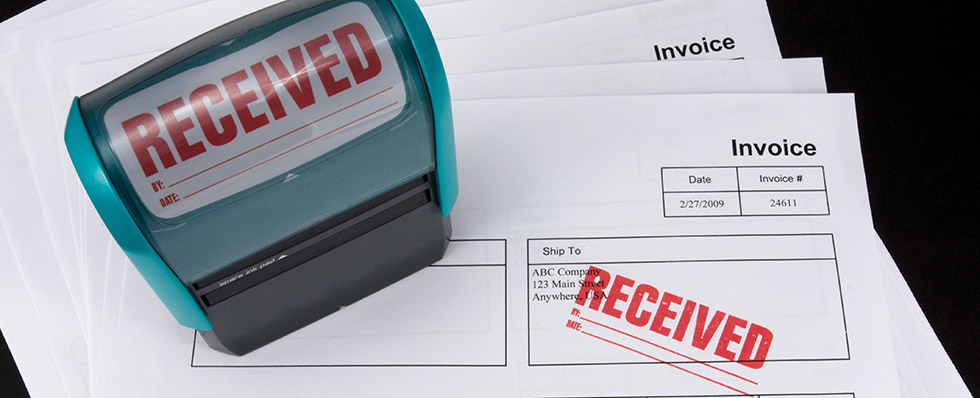
In the construction industry, timely and accurate payment is essential for businesses of all sizes. A strong, written contract that spells out the payment terms is essential. It is also essential that invoices be sent as called for in the contract and as soon as possible after all work is completed. And, of course, following up on overdue invoices is crucial.
Recognizing Troubled Customers
It’s far easier to take a proactive approach by avoiding the types of customers/clients that usually spell trouble. Staying alert for signs that longtime customers may be having financial problems — and, most importantly, promptly taking action when their payments slow down — is a viable strategy.
Staying alert for signs that customers’ financial situations are changing can protect any business. Every builder should be on the alert for such things as:
- Change orders or budget overages without corresponding payment adjustments
- Disputes or late-stage adjustments used as an excuse for delayed or withheld payments
- Poor or nonexistent communication, which often indicates a troubled customer
Keeping an eye out for these and other potential red flags and quickly responding can ensure that small problems don’t develop into collection issues.
Collections 101
Collecting what is owed can be a challenge, especially for smaller companies that may not have the resources to devote to collections. Uncollected sums often result in cash flow issues for construction businesses, particularly those with project-related contracts and complex payment arrangements.
While collecting accounts receivable can be frustrating, there are a number of strategies that can be pursued, such as:
- Attempting to work out a payment plan that can help the business recoup those unpaid amounts over time
- Hiring a collection agency to collect any past-due amounts, minus the agency’s fee — if they are successful
When all else fails, there are always the courts. Unfortunately, a successful result in small-claims court usually results in a “judgment.” Collecting on that judgment comes with a similar set of collection woes.
Finders Keepers
Remember the old saw about possession being nine-tenths of the law? Possession of the funds collected may not be forever, but it does give a construction business negotiating leverage in a lawsuit or bankruptcy when trying to avoid paybacks.
Don’t hesitate to accept any payments because of the possibility it may be refundable should the customer file for bankruptcy. It is not wrong to accept money genuinely owed to the business, nor is it wrong of the soon-to-be-debtor to pay it. It simply may be recoverable by a bankruptcy trustee.
Coping With Bankrupt Customers
When a customer fails to pay their debts, the construction business, the “creditor,” has several remedies available to help collect the funds due. In addition to the common collection strategies such as dunning notices, collection agencies and even small-claims courts, there is bankruptcy.
When a notice of the bankruptcy is received, proof of the construction business’s claim should be promptly filed with the court. Keep in mind that deadlines are strictly enforced in bankruptcy cases.
When it comes to dealing with a customer or supplier after discovering they are bankrupt, all collection efforts should cease. This automatic stay is designed to protect the debtor and his property from all forms of collection during the bankruptcy.
Under the bankruptcy laws, creditors have rights. They usually have the right to be heard in court regarding a proposed payment plan, liquidation of the debtor’s nonexempt assets and payments from the assets of the debtor’s estate.
In other words, creditors can voice their opinions about debts that might or might not be forgiven. They can also argue about assets that, perhaps, should have been included in the bankruptcy estate but weren’t.
So-called “secured creditors” are at the top of the payback list and have specific rights to the property that is the collateral for their claim. Secured creditors also have the best chance of getting relief from the automatic stay or “adequate protection payments” to prevent a decline in the equity available to secure their claim.
Whether the construction business is a secured or unsecured creditor, the best deterrent to abuse of the bankruptcy system is creditor vigilance. Creditors are entitled to question the debtor under oath about assets, liabilities and financial history at the first creditor meeting.
Keeping abreast of customers or suppliers in bankruptcy is important since some bankruptcies are often dismissed because of the debtor’s failure to comply with the requirements of the bankruptcy law. When that happens, creditors are free to pursue collections. Sometimes cases originally classified as “no-asset” cases blossom into asset cases from which a creditor may be paid. Be vigilant.
Fighting the Good Fight
Most construction business owners and managers are aware that contracts and payment terms should always be put in writing. Unfortunately, this alone may not protect the business if a customer runs into financial problems. Few troubled customers are likely to begin paying simply because there is a contract.
Depending on one or two customers can put any business at risk if payments from one of them slows — or dries up. Even a business with a full plate might be well advised to continually look for new customers.
Make sure there is a constant inflow of customers so, if one fails and isn’t able to pay on time, potential problems are avoided. It also provides more time — and a financial cushion — to work things out with a troubled customer.
Slashing Unprofitable Customers
Often ignored by many business owners or managers is whether the best business decision may actually involve firing some of their worst customers. While this may seem like an illogical suggestion (particularly in a bad economy), having the wrong customers can cost the construction business in unexpected ways and hold it back from real success, all because of the temptation of short-term profits.
Worried about the customer going elsewhere? Sometimes that’s a good thing. Troubled or problem customers become problems for competitors.
Tax Deductions for Debts
When all else fails and further collection efforts are fruitless, Uncle Sam, in the form of our tax laws, may have a solution. Nonpayments may result in a loss deduction for materials and supplies purchased but for which no reimbursement is received. There is also the bad-debt deduction.
Of course, just because something may be labeled as a business bad debt doesn’t necessarily make it tax deductible. A bad-debt deduction can be claimed only if the amount owed was included in the operation’s gross income. This is almost never the case for cash-method businesses (who report income when received). Accrual method businesses, however, report income as it’s earned; if receivables have already been claimed as income, a bad-debt deduction for uncollectible receivables is appropriate.
Business Joys
Unfortunately, wringing money out of deadbeat customers has become a common issue today. In some cases, the only option may be hiring a collection agency or going to court to collect, but many small business owners don’t like to go these routes.
Often, it’s easier to take a proactive approach by avoiding the types of customer who usually spell trouble, staying alert to signs that longtime customers are having financial problems and taking quick action when their payments are slowing down.
Avoiding Trouble
Minimizing a construction business’s financial risks — and its bad debts — can be achieved by using various strategies ranging from initial credit checks to comprehensive contracts, well-thought-out collection steps and parting-ways with troubled customers. In the end, there is always the tax deduction for business bad debts.
OUR DIGITAL PARTNERS