Heat Hazards in Construction: Are You Prepared?
Strengthen safety efforts as OSHA increases scrutiny of workplace heat hazards.
INTRODUCTION
The Occupational Safety and Health Administration (OSHA) says almost 40% of all deaths at construction jobs are because of heat stress.
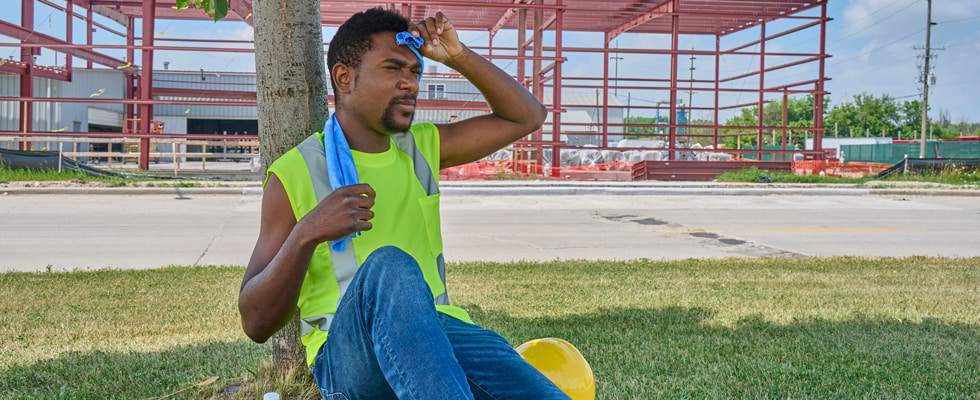
Heat stress happens when a worker gets too hot from exposure to heat from physical activity, environmental factors, and their clothing. Construction workers are at high risk because their work is strenuous and often in direct sunlight.
Heat can cause workers to not think clearly, feel dizzy, have sweaty hands, react slowly, feel tired, and have muscle cramps.
However, you can avoid heat stress by preventing it.
OSHA REGULATIONS ON HEAT ILLNESS PREVENTION
Duties of employers and employees are found in 29 USC 654 (including Pub. L. 91–596 “OSH Act of 1970” 5(a)(1), the “General Duty Clause”).
Currently, OSHA doesn’t have a specific standard addressing heat-related hazards. However, in August 2024, OSHA issued a Notice of Proposed Rulemaking (NPRM) for the Heat Injury and Illness Prevention in Outdoor and Indoor Work Settings standard.
This proposed heat rule would apply to all employers conducting outdoor and indoor work in all general industry, construction, maritime, and agricultural sectors under the agency’s jurisdiction with a few exceptions. It intends to help employers protect workers from indoor and outdoor heat-related fatalities and illnesses.
The rule would require employers to:
- DEVELOP AN INJURY AND ILLNESS PREVENTION PLAN to control heat hazards in both indoor and outdoor workplaces affected by excessive heat,
- DEVELOP A PLAN TO PROTECT NEW OR RETURNING WORKERS unaccustomed to working in high heat conditions,
- PROVIDE EMPLOYEE TRAINING,
- ESTABLISH AND IMPLEMENT PROCEDURES to respond if a worker experiences signs and symptoms of a heat-related illness, and
- TAKE IMMEDIATE ACTION to help a worker experiencing signs and symptoms of a heat emergency.
The comment period for employers to provide feedback on this proposed rule closed on January 14, 2025. On January 20, 2025, the new Administration under President Trump signed an Executive Order putting temporary brakes on all regulations including any rules currently approved but not yet published.
This pause allows time for new agency heads to review proposed regulations that haven’t reached the Federal Register.
However, prior to this, on January 16, 2025, OSHA extended its National Emphasis Program (NEP) for outdoor and indoor heat-related hazards to maintain worker protection during the Administration’s review.
This allows compliance officers to continue to identify and enforce heat-related illnesses in outdoor and indoor workplaces under their jurisdiction for general industry, construction, maritime, and agricultural sectors.
The NEP is extended until April 8, 2026, or until replaced by an updated compliance directive. The previous NEP was set to expire on April 8, 2025. Inspections will continue through regional offices and state plan programs. Outreach will still be provided under this NEP.
An NEP is not a mandate or regulation but rather provides an enforcement program targeting specific high-hazard industries or workplace activities where heat-related injuries or illness could occur if not managed. Essentially, OSHA inspectors will be on high alert for heat-related hazards when conducting inspections.
PROTECTING WORKERS FROM HEAT-RELATED ILLNESSES
Working outdoors for extended periods, especially during summer, puts construction workers at high risk for heat-related illnesses. Proper heat stress management is essential to keeping workers safe and preventing heat exhaustion, heat stroke, and other serious conditions.
Review the strategies listed below to help your employees reduce their risk of developing heat-related illnesses.
Encourage Hydration
Remind employees to drink water every 15 minutes, even if they’re not thirsty. Dehydration can set in quickly, so keeping a bottle of cool water nearby and taking small sips throughout the day is important. Electrolyte drinks can help replace lost minerals for workers who sweat heavily.
Offer Breaks & Provide Shade
Give your employees a chance to cool down by offering regular breaks in shaded or air-conditioned areas. If possible, adjust their workload to avoid doing the most strenuous activities during the hottest parts of the day.
Provide the Right Gear
Choose light-colored, breathable, and loose-fitting clothing to help reflect heat and keep employees cool. A lightweight, wide-brimmed hard hat and cooling towels can also help prevent overheating. Utilize cooling fans, misting stations, and shaded rest areas when available.
Ease Into the Heat
If employees are new to working in high temperatures or returning after time off, allow them to take it slow. The body needs time to adjust, so gradually increase their workload over several days to prevent heat exhaustion.
Know the Signs of Heat Stress
Pay attention to early warning signs like dizziness, heavy sweating, nausea, or confusion. If you or another employee start feeling unwell, act fast—move to a cool area, drink water, and seek help if symptoms don’t improve.
Look Out for Your Team
Use the buddy system to help employees keep an eye on each other. Heat stress can set in quickly, and someone suffering from it may not realize they’re in danger. If you notice symptoms, step in and help.
HEAT-RELATED TRAINING FOR CONSTRUCTION WORKERS
Hot work environments can affect the body’s natural ability to handle heat. This can lead to heat illness, which appears in many different forms depending on its severity. One of the most important training topics for heat is being able to recognize the signs and symptoms of heat illness and know how to respond.
Fatigue
In hot conditions, fatigue sets in faster due to the body’s cooling process. More blood is sent to the skin to release heat, leaving less for muscles, the brain, and organs. This reduces energy supply, leading to quicker exhaustion.
Common symptoms include:
- Reduced performance
- Decreased coordination
- Lower alertness
Recommended response:
- Rest in a cool, shaded area
- Take heat-relief breaks
- Increase water intake
Heat Rash
Heat rash occurs when sweat can’t evaporate efficiently, usually in humid conditions. If sweat ducts become blocked, trapped moisture leads to skin inflammation and a rash.
Symptoms include:
- Persistently moist skin
- Skin inflammation and rash development
Recommended response:
- Move to a cool area
- Wash affected skin
- Allow skin to dry
- Seek medical attention if infection develops
Fainting
Fainting occurs when the brain temporarily lacks sufficient blood flow, often due to heat, dehydration, or standing too long. In hot conditions, more blood moves to the skin for cooling. This reduces the supply to the brain and can cause a brief loss of consciousness.
Primary symptom:
- Sudden loss of consciousness
Recommended response:
- Rest in a cool, shaded area
- Drink water
- Move around periodically to promote circulation
Heat Cramps
Heat cramps are muscle spasms caused by loss of fluids and electrolytes through sweating. They often occur during or after intense physical activity in hot conditions when the body is dehydrated and low on essential minerals like sodium and potassium.
Symptoms include:
- Painful muscle contractions
- Pain in the hands, feet, or abdomen
Recommended response:
- Rest in a cool, shaded location
- Drink fluids every 15 to 20 minutes
- Avoid alcohol and caffeinated beverages
Heat Exhaustion
Heat exhaustion occurs when the body overheats due to excessive sweating and dehydration. If untreated, it can lead to heat stroke, making it crucial to cool down and rehydrate immediately.
Symptoms may include:
- Weakness or fatigue
- Faintness
- Irritability or confusion
- Nausea
- Headache
- Dizziness or lightheadedness
- Continued sweating
- Clammy, moist skin
- Normal body temperature
- Vomiting or loss of consciousness
Recommended response:
- Rest in a shaded area
- Drink fluids every 15 to 20 minutes
- Use cold water to cool skin and clothing
- Seek medical attention when symptoms are severe
Heat Stroke
Heat stroke occurs when the body’s temperature regulation fails, and sweating is no longer enough to cool it down. Immediate medical attention is critical to prevent serious complications.
Symptoms include:
- Hot, dry skin with no perspiration
- Red skin
- Body temperature above 103°F
- Mental confusion or delirium
- Convulsions
- Unconsciousness
Recommended emergency actions:
- Call 911 immediately
- Never leave the worker unattended
- Move the worker to a cool, shaded area
- Fan the body vigorously
- Remove outer clothing
- Apply ice packs to the chest, armpits, and groin
- If ice is unavailable, soak clothing with cold water
CONCLUSION
Training construction workers on heat illnesses and prevention is a critical component of maintaining a safe, productive, and compliant job site. The construction industry faces heightened risk due to outdoor work, physical exertion, and exposure to extreme temperatures, especially during warmer months.
Without proper education and preventive strategies, workers are vulnerable to heat exhaustion, heat stroke, and other serious health complications—which can escalate quickly and become life-threatening.
Training ensures that workers are equipped to recognize early warning signs, stay hydrated, and follow work-rest cycles tailored to temperature conditions.
Beyond safeguarding worker health, heat illness prevention training reduces costly incidents, limits project delays, and supports compliance with OSHA standards. It also reinforces a culture of safety, which improves morale and retention—two key challenges in today’s construction market.
In short, investing in heat safety training is not just a regulatory or ethical obligation; it’s a smart business decision that protects your workforce and your bottom line.