Construction Mental Health & Wellbeing Summit
The record-setting 5th annual construction Mental Health & Wellbeing Summit signals a movement coming of age
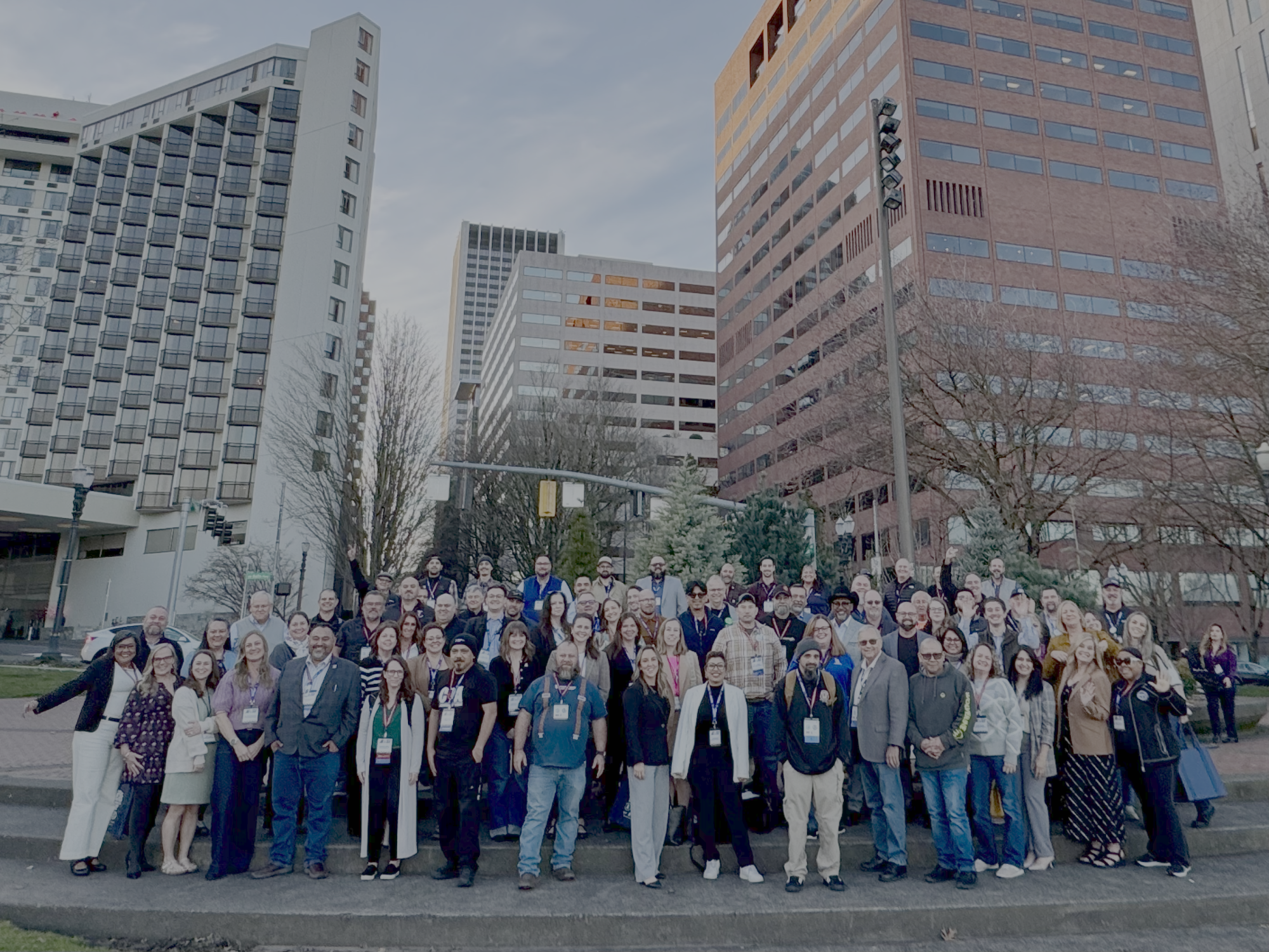
When hundreds of construction industry leaders, workers, researchers and advocates gathered in Portland, Oregon, from Feb. 23–27, it was clear: The construction mental health movement has reached a remarkable inflection point. The 5th Annual Construction Mental Health & Wellbeing Summit shattered every previous attendance record, welcoming 562 registered attendees — up from approximately 400 in 2025 — representing 37 U.S. states, three Canadian provinces, one U.S. territory and one Australian state.
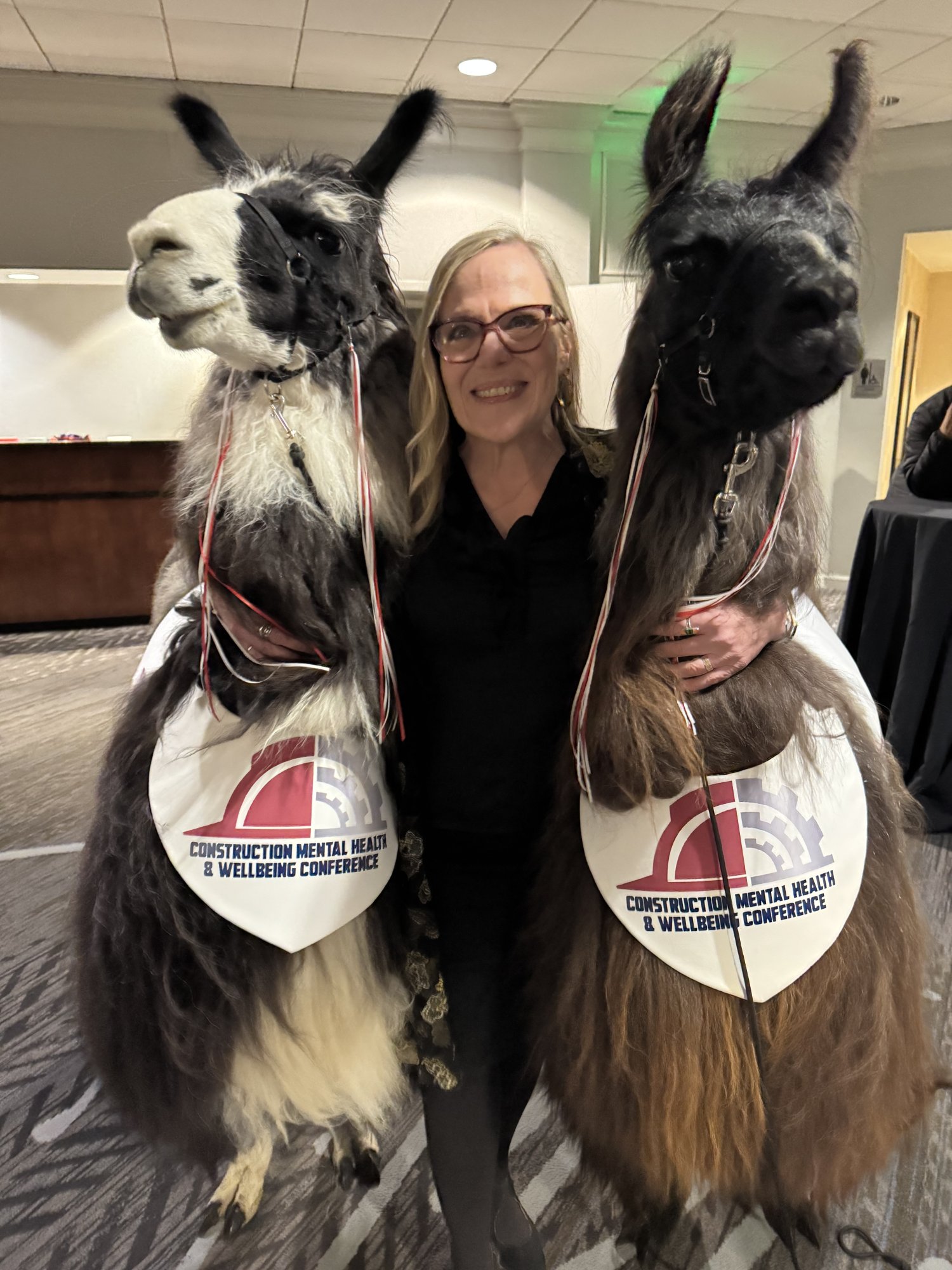
What began five years ago as a bold, scrappy experiment in cross-industry convergence has matured into the premier gathering of its kind in the built environment sector. This year’s overwhelming success was underscored by the incredible support of its numerous sponsors; a vibrant exhibit hall showcasing vital tools and services; and the heartwarming presence of emotional support dogs and llamas, creating a truly unique and engaging atmosphere.
The summit’s mission remains unchanged: Bring together leaders, changemakers and industry pioneers to advance the latest in mental health promotion, suicide prevention, addiction recovery and overdose prevention in construction — and send every attendee home with tactical strategies they can implement immediately. Judging by this year’s energy, engagement and expanded reach, that mission is resonating louder than ever.
5 Tracks. 1 Movement.
Across five days and five content tracks, attendees moved through sessions designed to connect the dots between well-being, health and safety priorities. The tracks — Culture of Care and Psychological Safety; Suicide Prevention and Hope Through Action; Substance Use Disorders, Overdose Prevention and Recovery Support; Innovations in Mental Health Promotion; and Physical and Environmental Root Causes of Mental Health Challenges — offered something for every role and every level of the industry, from C-suite executives to frontline tradespeople. Unions, contractors, professional associations, researchers, mental health advocates and, critically, people with lived and living experience of mental health challenges all shared space, shared stories and shared solutions.
The Mental Health Toolbox Talk Competition continued as one of the summit’s signature events. Toolbox talks are a well-established practice in construction safety culture, and competitors demonstrated that this familiar format can be powerfully repurposed to normalize mental health conversations on jobsites. Winners modeled safe, effective, stigma-reducing messaging and provided ready-to-use templates for organizations just beginning to build their mental health literacy programs.
The summit also recognized standout organizations and individuals through its Industry Awards, honoring those leading the way in workplace well-being and demonstrating that culture change is not only possible — it is already happening.
From the Co-Chairs On Leadership: Why the C-Suite Must Lead
(Sally Spencer-Thomas, Psy.D.)
One of the summit’s most powerful moments took place not in the main conference hall but at the historic Portland Golf Club on Feb. 24, where an invitation-only leadership roundtable on construction worker well-being and mental health safety convened 52 senior executives — including leaders from Baker, Skanska, Hoffman, Mortenson, Hensel Phelps, Rosendin and Zachry.
Cosponsored this year by Google and Milwaukee Tool, the roundtable reflected a growing recognition that the construction industry’s well-being crisis demands coordinated, top-level leadership. The room confronted difficult truths: psychosocial hazards and structural root causes of mental health decline; cultural barriers rooted in masculinity norms, production pressure and stigma; and the urgent need for systemic policy change. Incremental fixes are no longer sufficient.
As Co-Chair Sally Spencer-Thomas put it directly to the room: “It is not good enough to punt to HR and hope your EAP will take care of things. Leaders need to be in the center of the arena — investing in strategic, comprehensive and sustainable approaches. Not only to help people who are struggling get support, but also to shift the very drivers of despair that exist at work.”
What emerged from that conversation were high-impact leadership commitments — executives publicly aligning mental health and safety priorities and pledging to move the dial at the industry level. When the most powerful people in the room say, “this matters” — and back it up with action — culture begins to shift.
On Language as a Well-Being Issue
(Eli Embleton)
A theme that resonated deeply throughout the week was the relationship between language and psychological safety.
As Co-Chair Eli Embleton noted, “On a construction site, language and cultural differences are more than a communication issue; they become major barriers for health and safety, especially mental health. When employees cannot fully express themselves, ask questions with confidence or connect easily with those around them, the result is often isolation.”
That isolation quietly erodes trust, engagement and, ultimately, safety. What the summit affirmed is that when English-speaking leaders are willing to attempt Spanish — even imperfectly — they model vulnerability that gives Spanish-speaking colleagues permission to try English without shame. That act of bridge-building strengthens human connection and creates the kind of psychologically safe culture where people feel seen, respected, and willing to speak up.
On Recovery-Ready Workplaces
(Cal Beyer)
Perhaps no area of the summit reflected more growth than the continuing expansion of substance use prevention, harm reduction and recovery-ready workplace programming. Across sessions and hallway conversations alike, the message was consistent: The construction industry is ready to move beyond punitive approaches toward cultures of recovery support that recognize addiction as a health issue — not a moral failing.
Encouragingly, recent research from The Center for Construction Research and Training (CPWR) suggests positive trends: “Drug-related overdose deaths among construction workers aged 16-64 declined 28.8% from 2023 to 2024, decreasing from 15.9K to 11.3K, with the overdose death rate falling from 135.0 to 94.8 per 100,000 workers. This significant reduction is attributed to a series of actions, including education on opioid risks, fewer opioid prescriptions, widespread naloxone availability, decreased stigma, and improved treatment and recovery support within the industry” (CPWR, 2026).
“This downturn in overdose deaths is not a coincidence; it’s a direct result of our industry’s increasing commitment to creating recovery-friendly workplaces,” stated Co-Chair Cal Beyer. “When we invest in comprehensive addiction recovery support — from stigma reduction to accessible treatment options and peer support — we save lives, retain skilled workers, strengthen our entire workforce, and build a more compassionate and resilient industry.”
Beyer admonished all industry leaders: “The work is not done; it is a clear call to action that naloxone should be in every workplace and worksite.”
A Movement With Momentum
As the summit closed and attendees departed Portland — many already registered for next year — it was evident that the construction mental health movement has crossed a threshold. The emotional support llamas were a memorable highlight, but the real story is this: 562 people showed up, stayed present and went home committed to change. That is how movements are made.
OUR DIGITAL PARTNERS