Drive Jobsite Productivity With Rugged Computing Technology
Discover how these devices keep contractors connected
The construction industry finds itself at a pivotal moment. It faces increased pressure to complete high-demand builds with competition for resources and talent a consistent consideration. The expansion of data center builds and the movement toward technology-forward environments, for example, are changing the game in real time for how contractors manage and coordinate work.
At the center of any jobsite navigating these challenges are effective communication and collaboration — along with more productive ways to capture, access and share data across the business. Whether it is a project manager ensuring materials are shipped and allocated correctly or a team tracking overall progress against plans, having reliable mobile access to information while in the field or on the site is vital to operations.
As more jobsite systems move to cloud-based platforms and Internet of Things (IoT)-enabled infrastructure, field teams are increasingly reliant on mobile devices to bridge the gap between physical work and digital coordination. But the rigors of a jobsite mean these technologies must live up to different working standards.
Connecting Systems in a Digitally Enabled Construction Site
Construction environments are becoming more digitally dependent and increasingly fast-paced. Data shows that digital workflows, incorporating building information modeling (BIM) and 3D printing, for example, enable more accurate project planning, limit rework and hasten build completion, with up to 20% reduction in timelines.
In these scenarios, information can move instantly between individuals and teams, giving greater live visibility into operations, equipment and progress.
However, when it comes to viewing systems and platforms in the field via a laptop or tablet, a consumer-grade office laptop or tablet isn’t built to withstand the environmental and usage demands of a construction site. Here, device interruptions delay communications, disrupt access to project files and slow down work — which all set projects back.
High-performing, purpose-built technology designed for the rigors of construction is essential, from heavy machinery to security cameras. Computing devices, which are now central to operations, shouldn’t be any different.
Rugged Computing Is Not Optional on the Jobsite
Construction workers need devices that perform consistently in the field, not just in controlled settings, because every technological failure represents lost time that could have been spent advancing the project. When devices fail on-site, crews can lose access to project files, encounter communication delays, and waste time troubleshooting and replacing equipment.
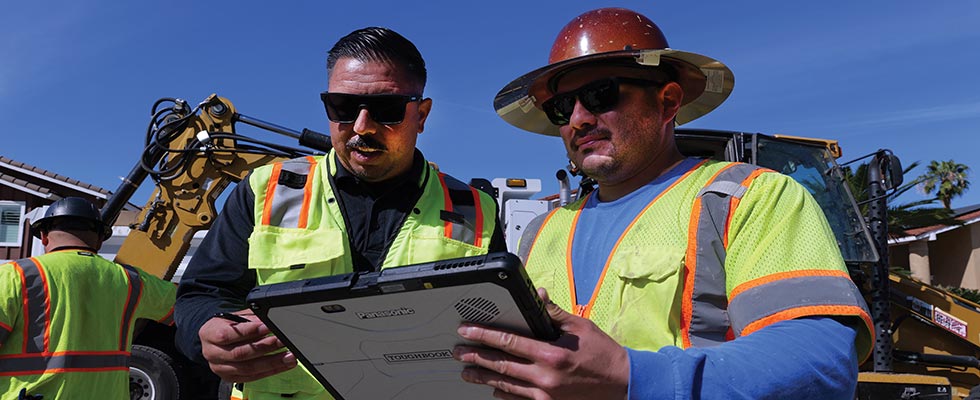
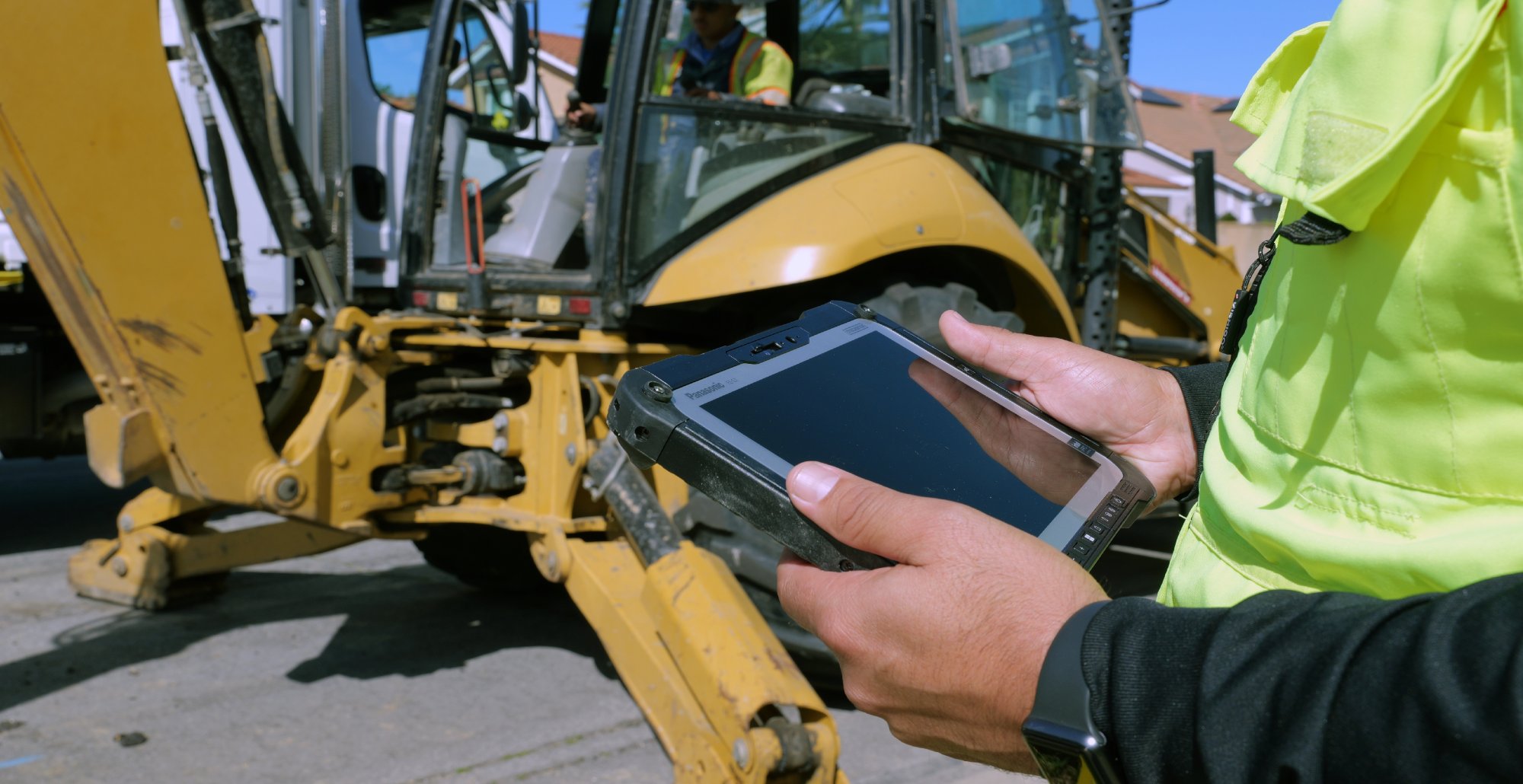
Rugged computers, specifically laptops, 2-in-1s and tablets, are designed to operate reliably in demanding construction environments where consumer devices struggle to perform. Features such as reinforced, durable housings and sealed components are standard so devices can withstand drops, dust, vibration and changing weather conditions. Furthermore, design considerations such as glove touch and high-end brightness means these devices fit within the confines of a construction workflow. If a worker is wearing gloves and viewing information midday in the baking sun, these devices enable that activity without disruption — as opposed to a computer shutting down from overheating or a worker needing to go back to the car to find shade.
Today’s rugged technology is not just durable. It is modular, allowing devices to adapt to the changing needs of field operations. Expandable ports, connectivity options, additional storage and replaceable batteries allow organizations to configure devices for different jobsite conditions while maintaining the same core hardware platform. These are rugged computing differentiators that are enabled by purpose-built design. This flexibility reduces replacement costs, supports longer device life cycles and minimizes operational disruptions in the field.
How Rugged Computing Enables Contractors Keep Projects Moving
Construction site success is driven by maximizing productivity and the ability to both respond to and anticipate challenges before they disrupt progress. Unfortunately, the construction industry continues to face a well-documented productivity rut, which it is urgently looking toward technology to alleviate.
Productivity is fundamentally tied to the flow of information between jobsite managers and the contractors executing the work on the ground. For field teams, even minor technology disruptions can halt work, delay access to important files or blueprints, impact crew coordination or create communication barriers between teams operating across sites.
In dynamic construction environments, reliable and durable field technology plays a paramount role in pushing projects forward. For example:
Real-time workflow improvements
Rugged devices help teams document progress and share updates directly from the field, minimizing the need to return to trailers or office spaces. It also eliminates the need for excessive paper documentation or updating progress at the end of a shift. This allows contractors to work from the most current details, while also eliminating errors and improving worker satisfaction at the end of a busy shift.
Access project files directly from the field
Direct access to blueprints, schematics, BIM platforms and project data allows teams to make faster, more informed decisions. Most contractors in the U.S. now use some form of project management platform or BIM, highlighting how deeply digital tools are embedded into construction workflows. It enables construction managers to review digital plans directly from the jobsite when unexpected issues or layout conflicts arise.
Connected tools & diagnostics
Rugged computing devices can connect directly to IoT tools, cameras and smart equipment systems, helping teams monitor performance, identify issues and reduce operational disruptions. This could include viewing visual data that is captured through drones or site cameras, assessing real-time safety information (such as personal protective equipment compliance or vehicle movement on and off the jobsite), or even reviewing reports from a prior day’s work to identify opportunities to run machines more efficiently. Putting valuable information in the hands of contractors on a jobsite brings new levels of visibility and intelligence to daily decision-making.
Proactive site management
Dependable project updates reduce delays caused by reporting bottlenecks, miscommunication between stakeholders and limited field visibility. Instead of reacting to issues after they arise, teams can address problems earlier and keep projects moving forward. For example, are the latest plans being accessed as opposed to older versions? Did the right amount of material show up on time, and is it stored correctly? This reinforces the value of constant access to project information and connected field coordination.
Recruitment & retention
Most workers today will expect access to digital tools that make them more productive and efficient at work. This is particularly true for digital natives who have grown up with technology. Contractors that can leverage rugged computing to improve workflows can deliver an improved experience over those that deliver frustration with outdated systems. This leads to higher job satisfaction and can improve brand reputation.
Connected Construction Is Here & Now
Connected construction is no longer a future concept; it is already taking shape on today’s jobsites. It reflects a broader trend toward fully integrated construction sites, where technology is embedded in everyday workflows rather than treated as a separate tool. The use of technology to support contractors in completing projects is now a baseline expectation rather than a competitive advantage.
From modular options that support data processing and connectivity needs to the physical durability required to withstand exposure to the elements, rugged computing devices provide capabilities that consumer-grade technology cannot match.
In an industry where delays, downtime and communication gaps can quickly impact schedules and costs, connected rugged technology is foundational to how modern construction firms operate today and into the future.
OUR DIGITAL PARTNERS