Inside the New Rick Lott Technical College
How the Skanska team completed a campus project
In Plant City, Florida, one of the nation’s fastest-growing regions, a new campus is reshaping how workforce education is delivered. The recently completed Rick Lott Technical College stands as Hillsborough County Public Schools’ (HCPS) premier vocational training hub, purposefully built to close the local skills gap and prepare students for high-demand careers.
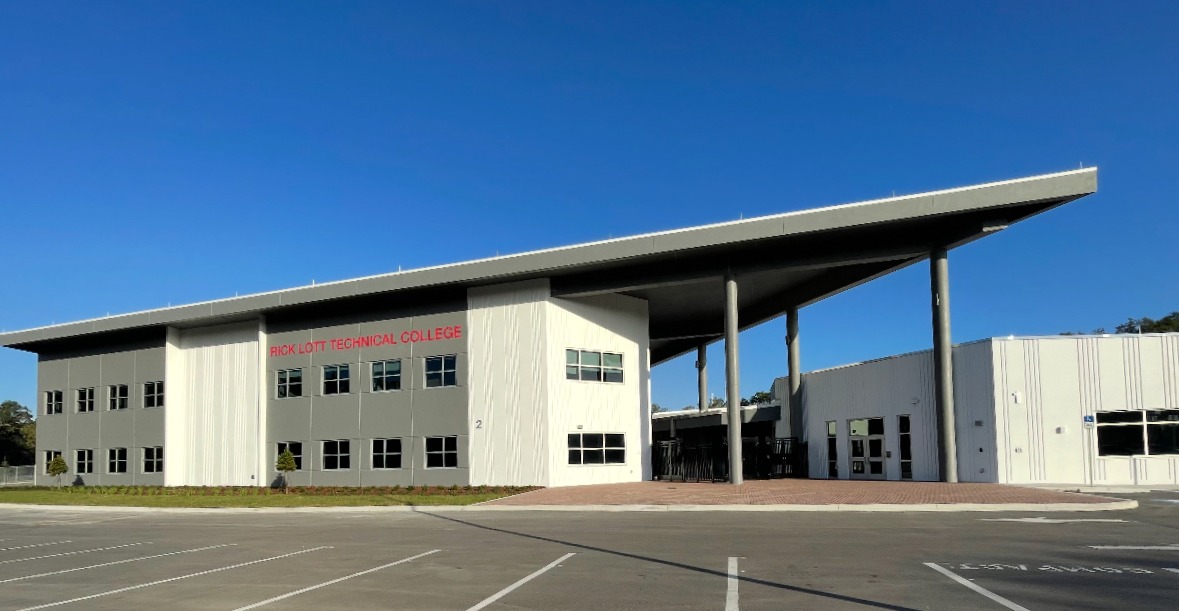
Delivered by Skanska and designed by Harvard Jolly | PBK, the 52,000-square-foot, two-building campus reflects a broader shift across Florida toward hands-on career and technical education (CTE) facilities that directly align with regional labor needs.
A Campus Built for Workforce Demand
Situated on 16 acres in Plant City, the new Rick Lott Technical College was developed for HCPS, the seventh-largest school district in the U.S.
The campus will host up to 900 student stations, significantly expanding workforce training capacity for both high school students and adult learners.
The college’s mission is clear: provide hands-on CTE programs that prepare students for immediate entry into high-demand industries, including the following:
- Automotive technology
- Computer technology
- Construction trades
- Diesel technology
- Electrical systems
- HVAC
- Welding
By concentrating resources in one campus, HCPS is positioning itself to meet growing regional demand for skilled labor across construction, mechanical and technical fields.
Strategic Goals From Day 1
From the outset, the project team focused on both functional and strategic objectives. Functionally, the facility needed to provide modern lab environments capable of supporting rigorous, hands-on instruction. Strategically, the campus had to serve as a long-term workforce development engine for Hillsborough County and contribute to Florida’s expanding CTE ecosystem.
Florida has seen significant growth in workforce training programs in recent years, and this project reflects that momentum. The facility not only expands post-secondary opportunities but also strengthens the talent pipeline for local employers struggling to fill skilled positions.
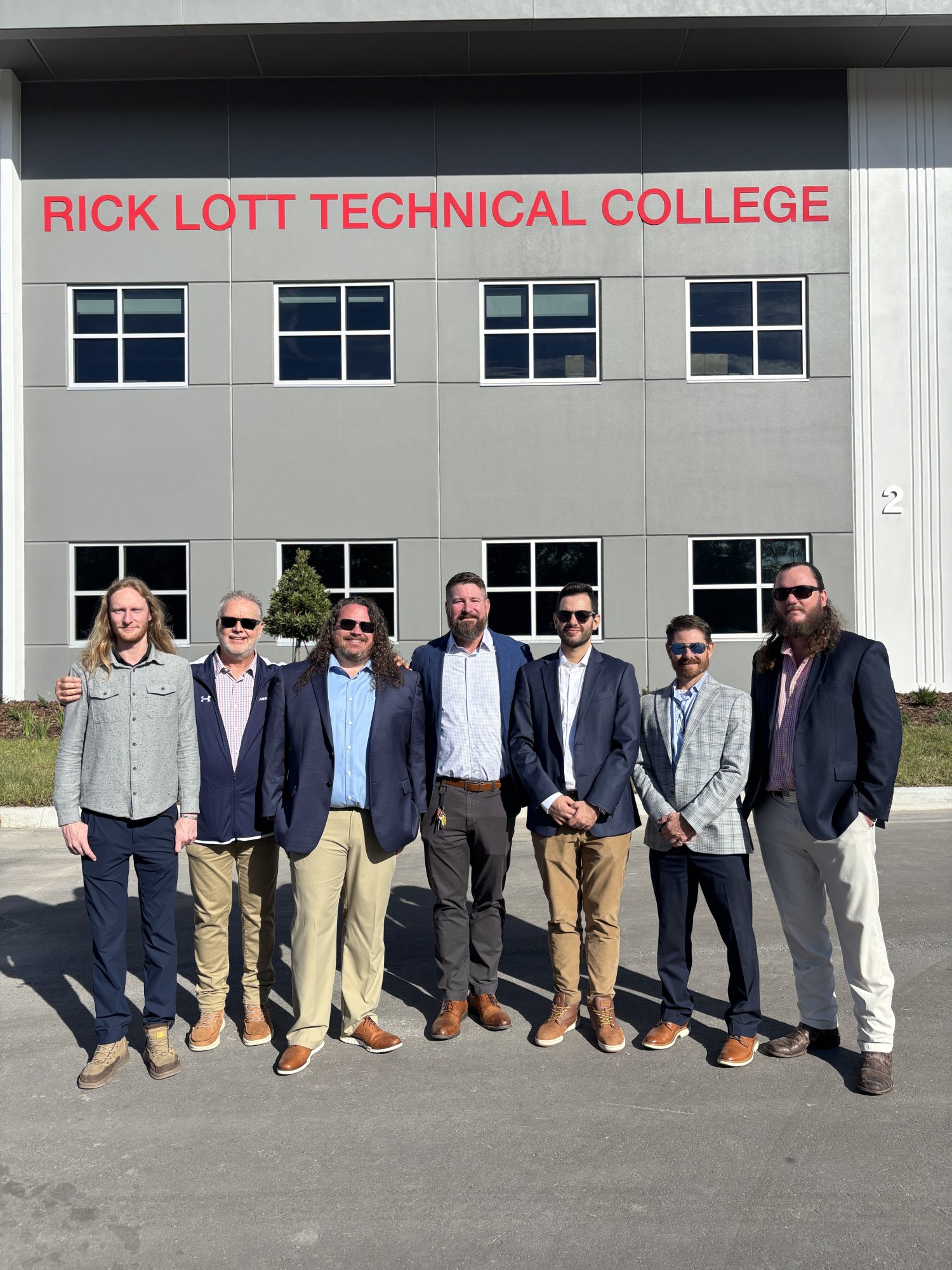
“Florida is experiencing remarkable growth in workforce development and CTE programs that are expanding access to high-demand career pathways,” said Daniel Abou-Jaoude, vice president at Skanska. “We’re honored to play a role in this momentum by delivering the modern Rick Lott Technical College that will equip students with the skills needed to fulfill in-demand jobs.”
Like many Florida construction projects, weather and site conditions posed early challenges. Delays at the outset required careful coordination and proactive scheduling adjustments. Despite those hurdles, Skanska’s construction team delivered the project on schedule — some components were even completed weeks ahead of timeline. Maintaining momentum like this under shifting conditions required close collaboration among field teams, trade partners and the design firm, along with disciplined schedule management.
Close coordination proved especially critical as the team navigated endangered species mitigation requirements and an unusually heavy rainy season. These factors created early schedule pressure, requiring Skanska to work closely with trade partners, the owner and community stakeholders to maintain clear communication and manage expectations.
To keep the school operationally viable despite delays, the team adjusted sequencing and turned over portions of the campus in phases, providing usable space while construction continued. The phased delivery approach demanded detailed planning and teamwork but ultimately enabled the project to overcome early setbacks and achieve completion even earlier than anticipated.
The ability to absorb early disruptions while preserving the completion date underscores the importance of contingency planning and team alignment, particularly on public-sector education projects with fixed academic timelines.
The project also reinforced the importance of continuous stakeholder engagement throughout design and construction, particularly regarding finishes and final appearance. As the building neared completion, stakeholders revisited the originally planned industrial, unpainted exterior aesthetic and determined it did not align with their vision for the finished campus.
Because communication channels remained open among the owner, design team and builder, the team was able to pivot and incorporate a painted exterior finish before final delivery. The experience highlighted the need to consistently reaffirm expectations with end users and decision-makers so that the completed facility reflects their evolving understanding and priorities.
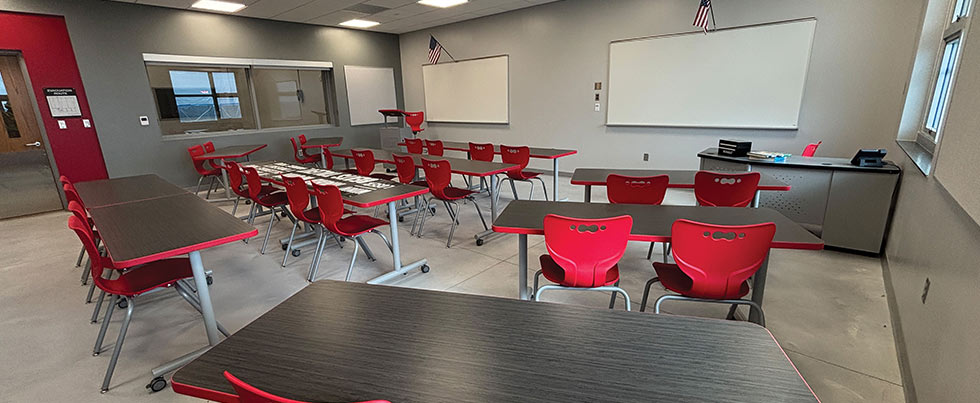
The campus layout prioritizes student success and long-term career development. Rather than retrofitting older facilities, the project team created purpose-built labs and classrooms tailored to the specific needs of each trade discipline.
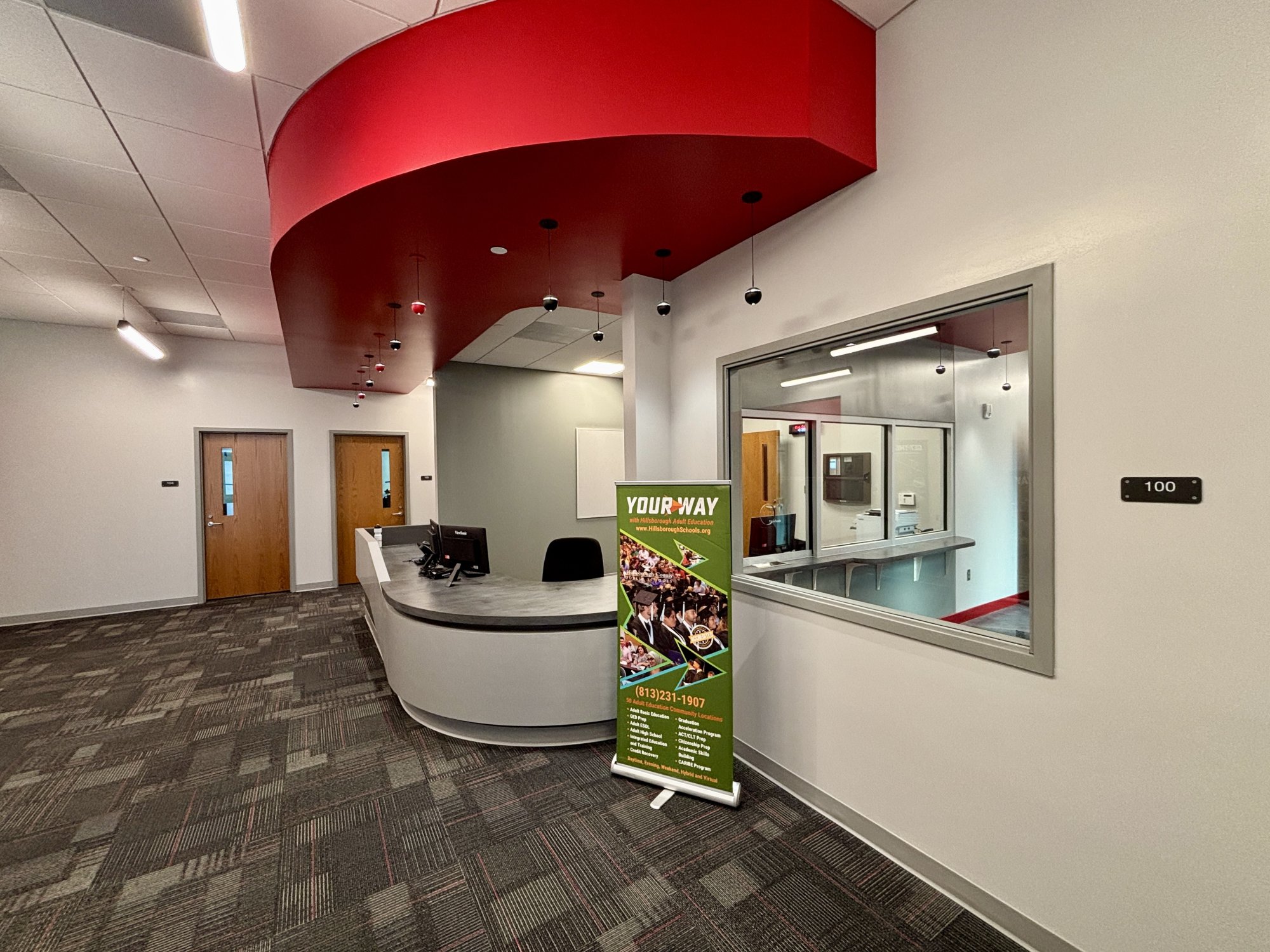
Lab spaces allow students to train in environments that closely replicate real-world jobsites and technical workplaces. Modern classrooms, integrated administrative areas and flexible instructional spaces support both traditional coursework and applied learning. The result is a campus that bridges the gap between education and employment.
Community Impact & Long-Term Influence
The Rick Lott Technical College represents more than a new set of buildings. It expands HCPS’ post-secondary programming and provides students with accessible pathways into stable, well-paying careers. For local employers, it strengthens the pipeline of trained talent entering the workforce.
The community response underscores the campus’s significance. The education center was widely viewed as essential to supporting Plant City’s growing population and delivering targeted workforce training aligned with local economic needs. Local government officials remained engaged throughout construction, visiting the site and tracking progress. Since completion, feedback has reflected strong appreciation from community members and stakeholders who see the college as a meaningful investment in both students and the region’s long-term economic vitality — aligning closely with Skanska’s mission to build projects that matter to the communities it serves.
The project is also part of Skanska’s broader portfolio of workforce-focused facilities across Florida. The firm has delivered similar education projects statewide, including the Dr. Michael A. Grego Leadership Center and the Wilton Simpson Technical College, as well as K-12 campuses such as Newsome High School, NeoCity Academy and Collins K-8 School.
As workforce development continues to gain priority across the state, projects like the Rick Lott Technical College reinforce a growing trend: educational facilities designed for both instruction and direct economic impact.
Looking ahead, the success of this campus positions Skanska to continue expanding its footprint in workforce and K-12 development by delivering modern educational environments that meet both community needs and evolving labor market demands.
OUR DIGITAL PARTNERS