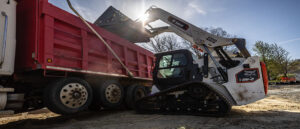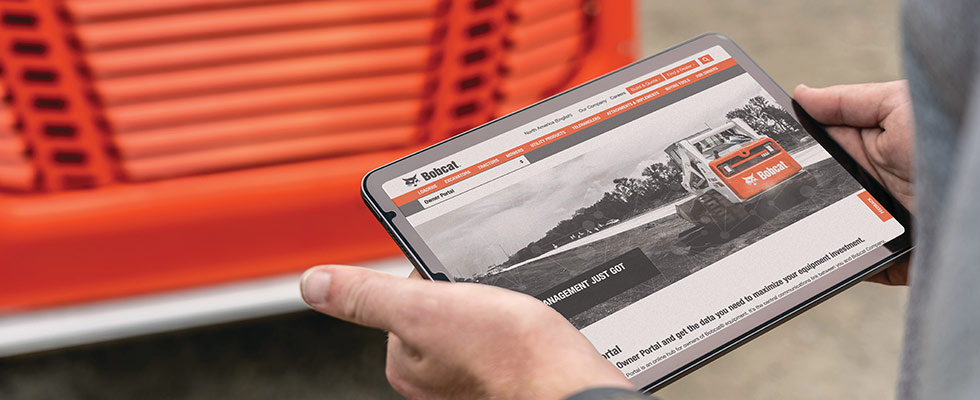
Building Skills for a Smarter Jobsite
Why operator training is becoming a competitive advantage as equipment gets smarter
Construction equipment has changed significantly in recent years. Machines that once relied almost entirely on operator feel and experience are now supported by digital displays, automated functions and connected technologies designed to improve efficiency and accuracy. For contractors, this evolution presents a clear opportunity — but also a challenge.
As equipment becomes more capable, operators are expected not only to run a machine, but to understand how to use built‑in tools that help them work faster, effectively and more consistently. This change has widened the skills gap and made training a strategic business priority.
.jpg)
From Manual Operation to Machine Optimization
Modern jobsites are increasingly shaped by technology. Features such as bucket leveling, attachment recognition, machine guidance and fleet management tools are becoming more common across equipment categories. Together, these technologies reduce the need for complex, dual-action inputs — allowing operators to work more intuitively, maintaining consistency and productivity.
For experienced operators, this shift can be energizing. Many want to know whether there is a tool, setting or feature that allows them to complete a task more efficiently. For newer operators without proper instruction, the amount of technology in today’s machines can feel overwhelming.
For business owners, the takeaway is clear: Productivity gains are tied directly to how well operators understand and utilize the tools built into their equipment.
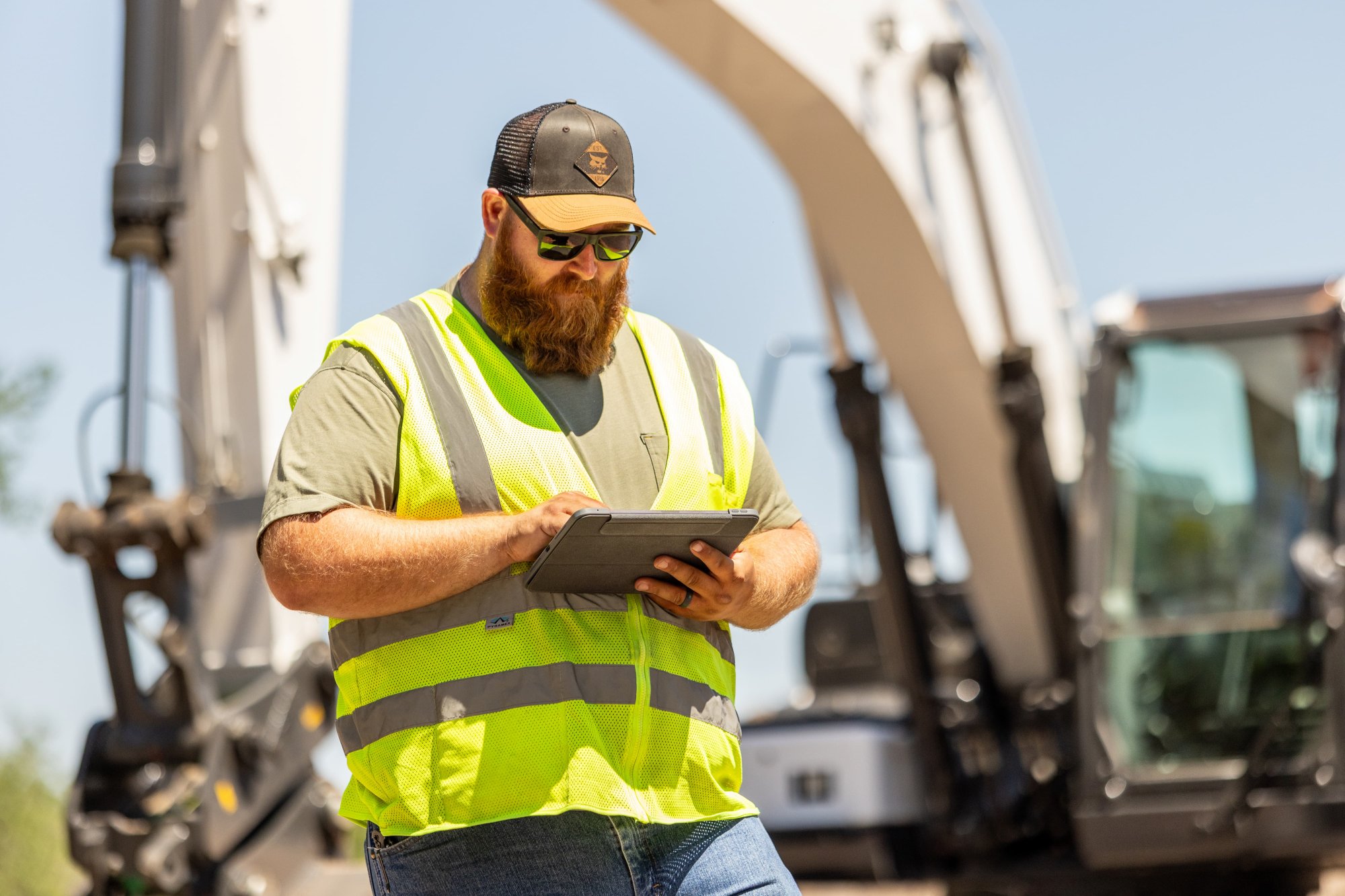
Training Starts Before the Cab Door Opens
While advanced features often receive the most attention, effective training begins with the basics. Before operators ever enter the cab, they need a strong foundation in safe operation and fundamentals of machine controls. This baseline knowledge is essential regardless of experience level.
From there, training should align with the machine’s capabilities and the work being performed. Advanced features can improve outcomes, but only when operators understand when and how to use them. Skipping early-stage training in favor of “learning on the job” often leads to inefficiencies, mistakes and increased wear on equipment.
One Crew, Many Experience Levels
Most construction companies employ operators with a wide range of experience and comfort levels with technology. Some adapt quickly to digital tools, while others may be hesitant or unfamiliar with newer systems.
Successful training programs account for this range by offering information in multiple formats. Short, focused training modules allow operators to absorb key concepts without being overwhelmed. More comprehensive courses that combine video, visual aids, knowledge checks and hands-on practice help reinforce learning and build confidence.
This layered approach ensures that less tech-comfortable operators are supported while experienced team members still gain value from deeper insights into machine capabilities.
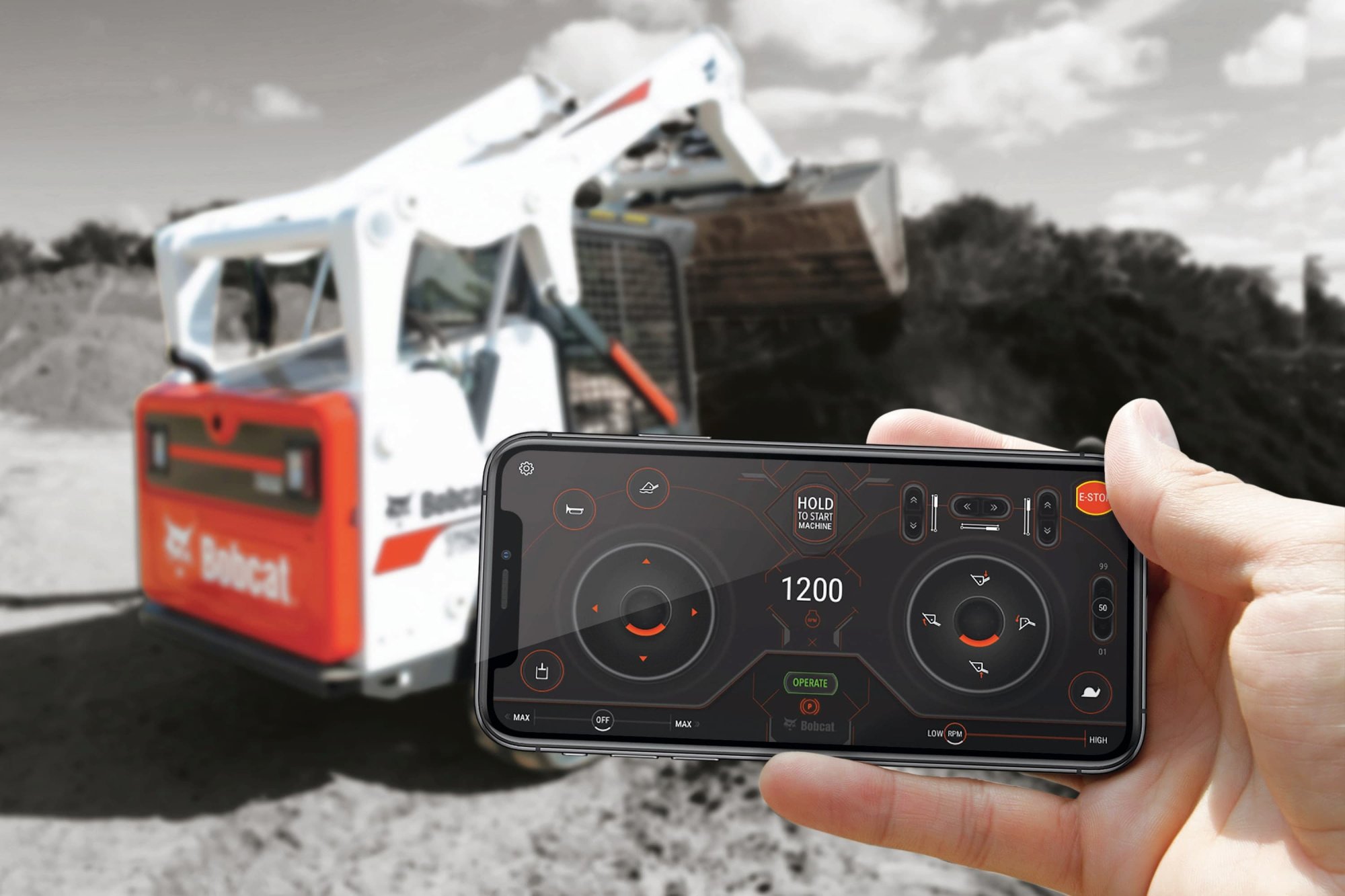
Blending Learning Methods for Better Retention
No single training method works on its own. Classroom instruction without hands-on practice rarely translates into confidence in the cab. Likewise, putting operators on a machine with no structured guidance often leads to frustration and inefficiency.
The most effective approach blends online learning with in-person experience. Operators benefit from reviewing their operation and maintenance manuals, studying controls and understanding machine functions before practicing them in real-world conditions.
Positive reinforcement during this process helps operators internalize what they have learned and encourages them to continue improving. When operators are given time to understand controls and apply that knowledge in a practical setting, they tend to adapt quickly — and often become more engaged with their work.
Where Contractors See the Biggest Returns
Investing in operator training requires time and planning, but the returns are measurable. Contractors commonly see improvements in productivity, consistency and overall jobsite efficiency once operators are properly trained.
Safety is a critical part of this equation. Operators who understand their machines are better equipped to work efficiently without taking unnecessary risks. Over time, this leads to fewer incidents, reduced downtime and more predictable jobsite performance. Training might may feel like a delay, but it often prevents far greater losses caused by inefficient operation, rework or equipment damage.
Overcoming Resistance to New Technology
One of the most common barriers to adoption is the pressure to get work started immediately. When schedules are tight, training can be viewed as optional rather than essential. Skipping training often costs more time in the long run.
Clear company commitment plays a significant role in overcoming resistance. When leadership prioritizes training and makes resources easy to access, operators are more likely to engage. Offering materials in multiple languages and formats helps streamline the experience and supports broader participation.
When operators see that their employer is invested in their success, they are more likely to invest effort into learning new tools and techniques.
Technology as a Confidence Builder
Advanced machine features are designed to support operator skill — not replace it. For newer operators, in-cab technologies can reduce the learning curve by providing assistance during common tasks.
Features like automated leveling or guidance systems help operators maintain accuracy while building confidence. These tools allow new team members to be productive sooner, while still developing the judgment and experience that comes with time in the seat. For contractors, this means technology can play a direct role in workforce development — not just machine performance.
.jpg)
Preparing for the Next Decade
As equipment continues to evolve, adaptability will become one of the most valuable operator skills. The ability to learn, ask questions and adjust to new features will define long-term effectiveness in the field.
Whether an operator has limited experience or is a seasoned veteran, curiosity and willingness to grow are essential. Machines will continue to offer more data, automation and connectivity. Operators who understand how to work with those tools — not around them — will remain in demand.
For construction business owners unsure where to begin, the best approach is to start with a plan. Identify available training resources, set clear expectations and build learning into regular operations rather than treating it as a one-time event. Small, consistent investments in training add up over time. As operators become more comfortable with technology, businesses benefit from improved performance, stronger retention and a workforce prepared for what comes next.
In an industry where equipment represents a major investment, developing the people who operate it may be one of the most valuable decisions a contractor can make.
OUR DIGITAL PARTNERS